Architecture in Service of Community and Urban Context
Denver, U.S.

Lightweight, continuous envelope in Neolith Iron Corten for a net-zero Buddhist center
|
Project location: |
Denver, U.S. |
|
Project type: |
Place of worship |
|
Design: |
Ewers Architecture |
|
Distributor: |
The Stone Collection |
|
Installer: |
Douglass Colony Group |
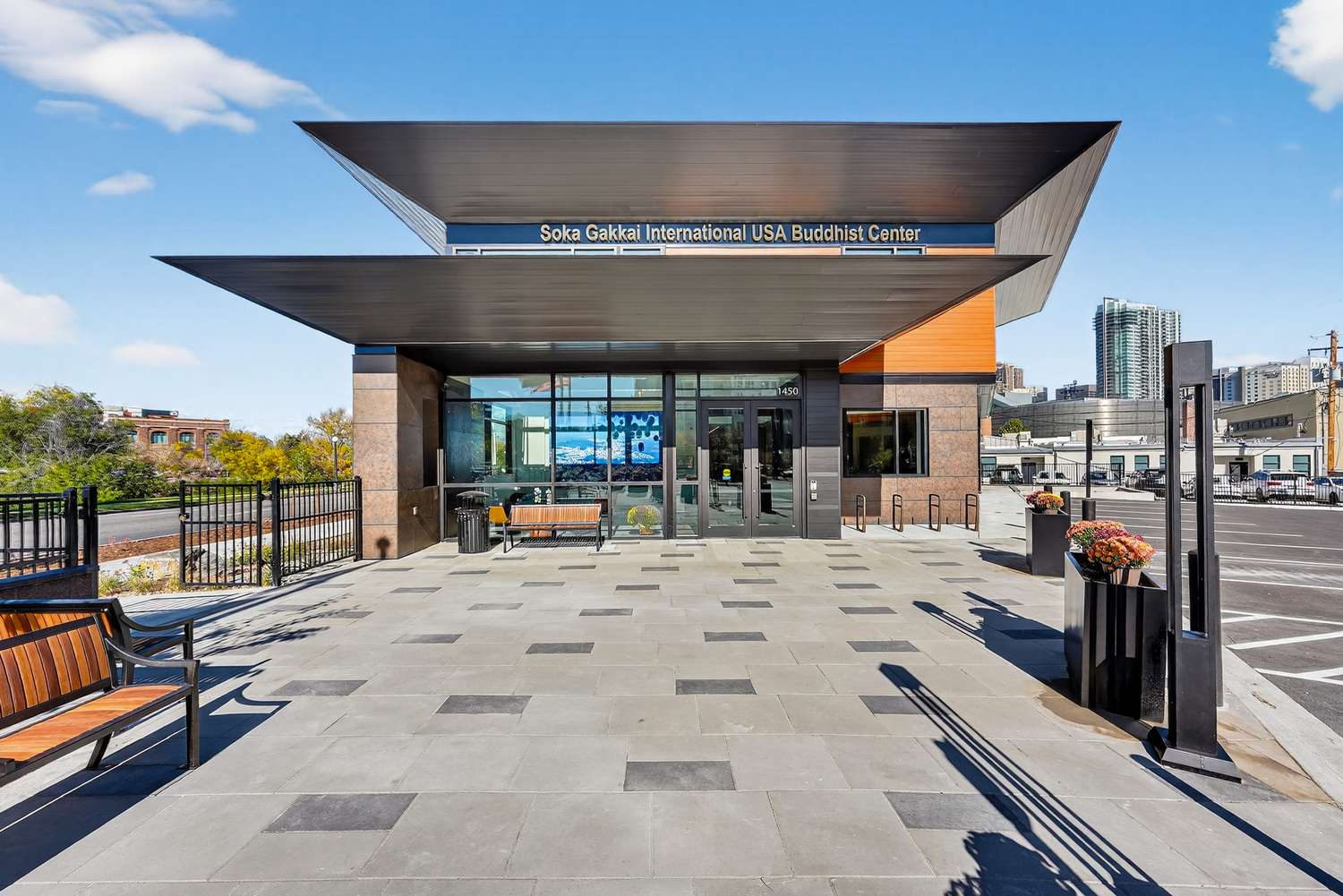
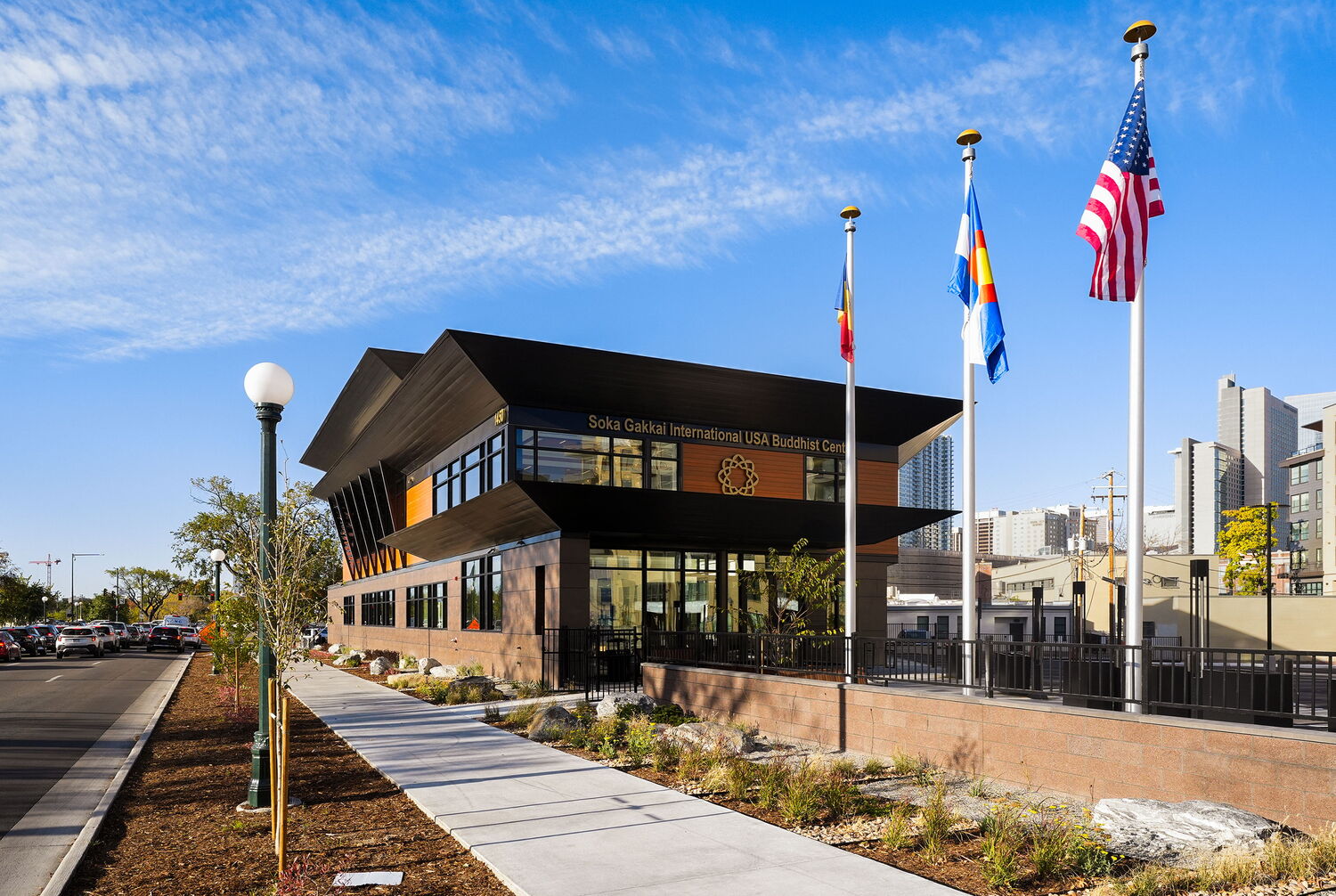
The SGI-USA Buddhist Center occupies a highly visible site along the urban corridor of Speer Boulevard in Denver, where this community has been present since 1989. The former three-story cast-in-place concrete building presented itself as an almost continuous wall just a few meters from traffic, offering minimal engagement with pedestrians and the surrounding city.
Photography by Inhouse Photography
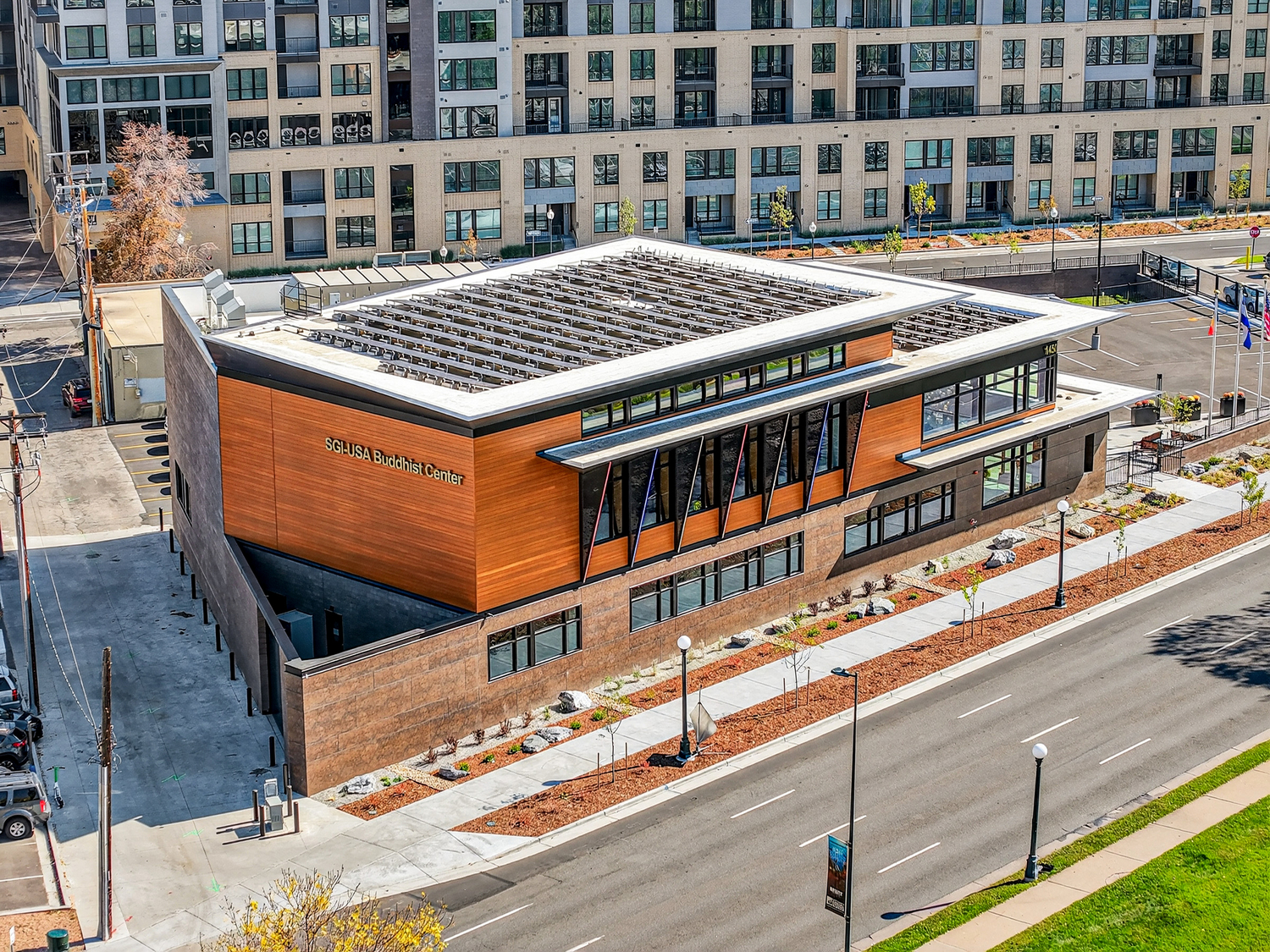
The new project completely rethinks this condition. Ewers Architecture chose to replace the existing volume with a two-story building, scaled appropriately to its program and with approximately half the original built area. This reduction significantly decreases the energy required for conditioning and ongoing operation, while freeing up space to widen sidewalks, introduce a landscaped strip with trees, and strengthen the presence of greenery and gathering areas.
Photography by Inhouse Photography
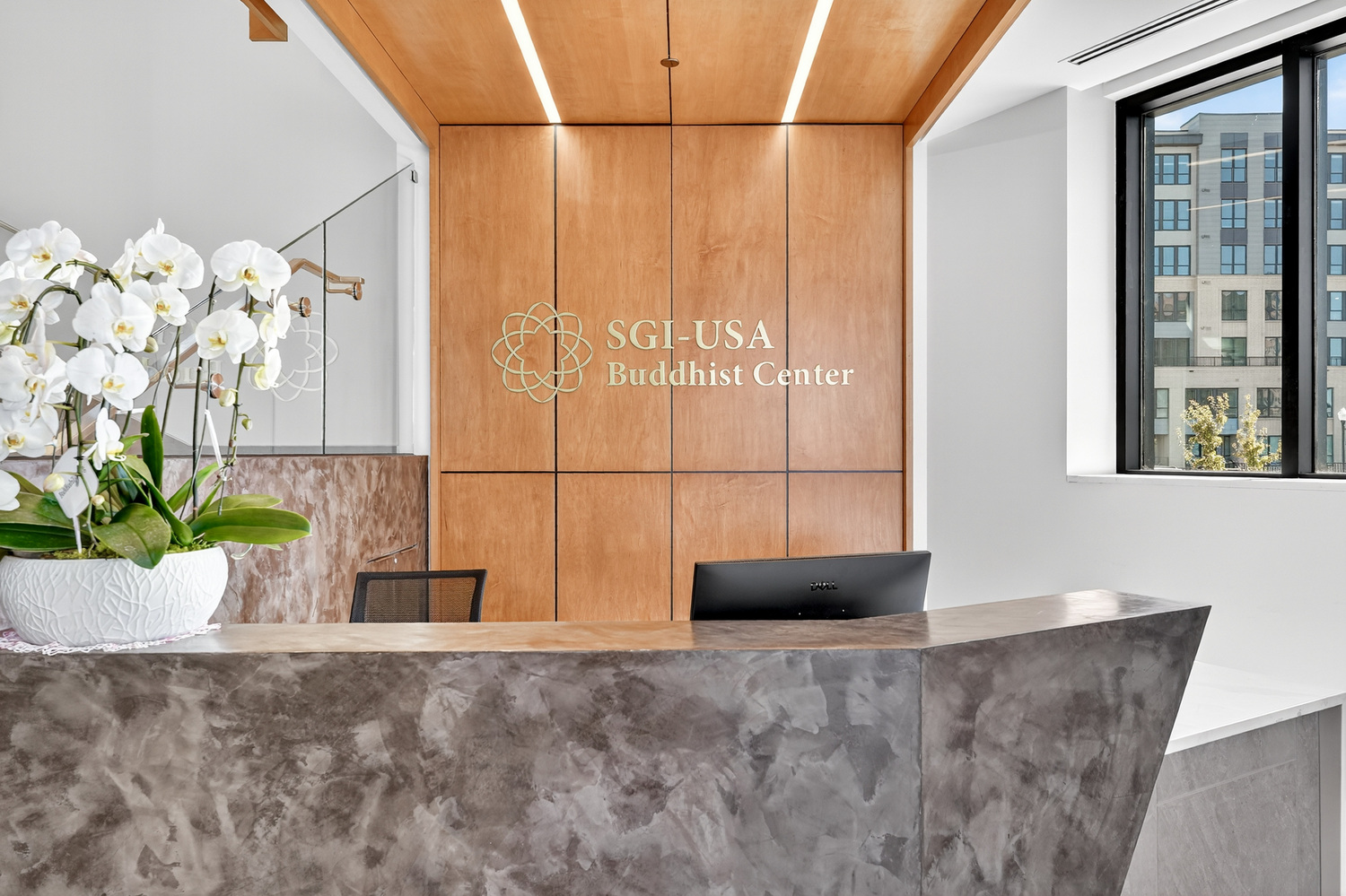
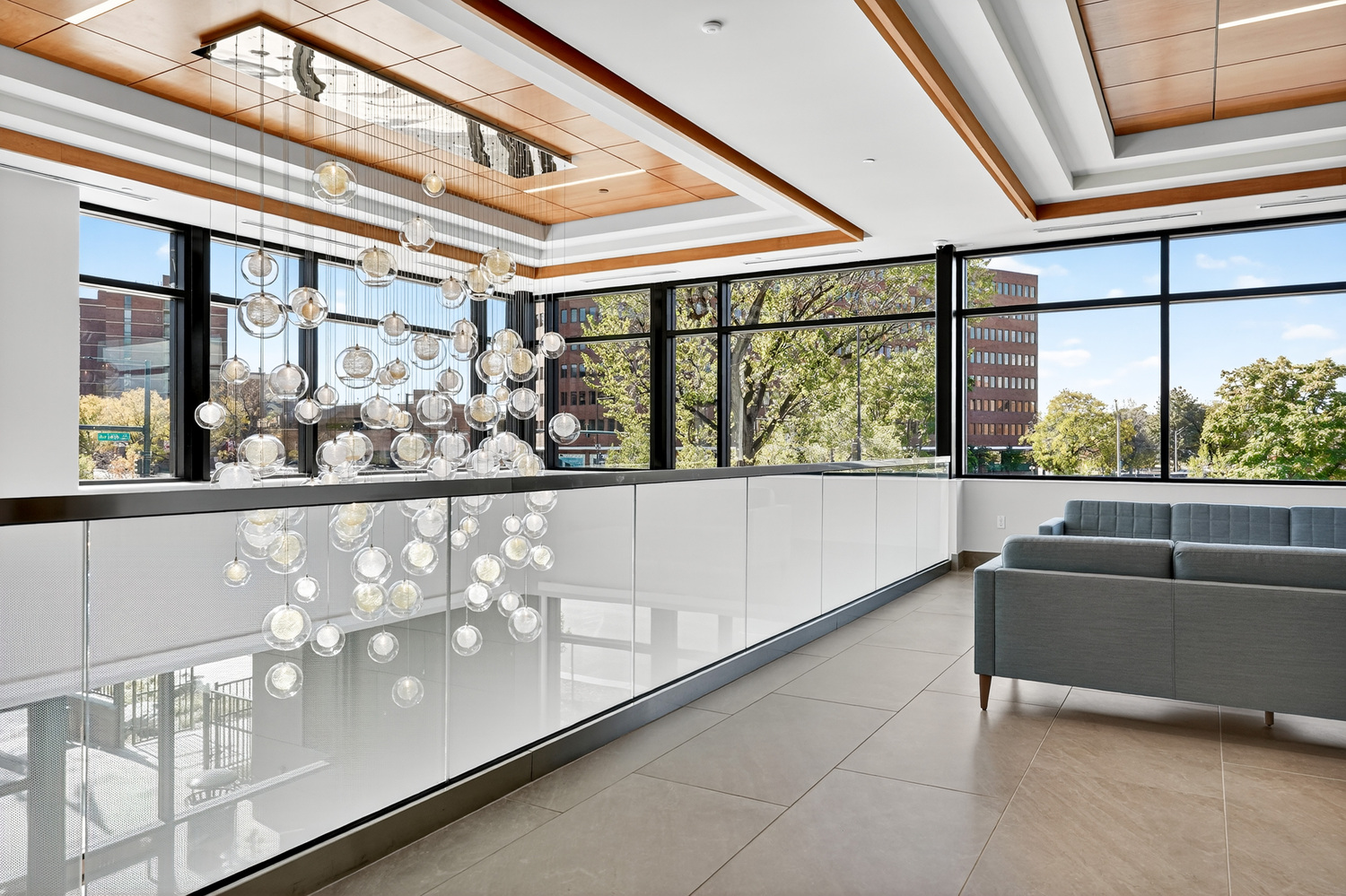
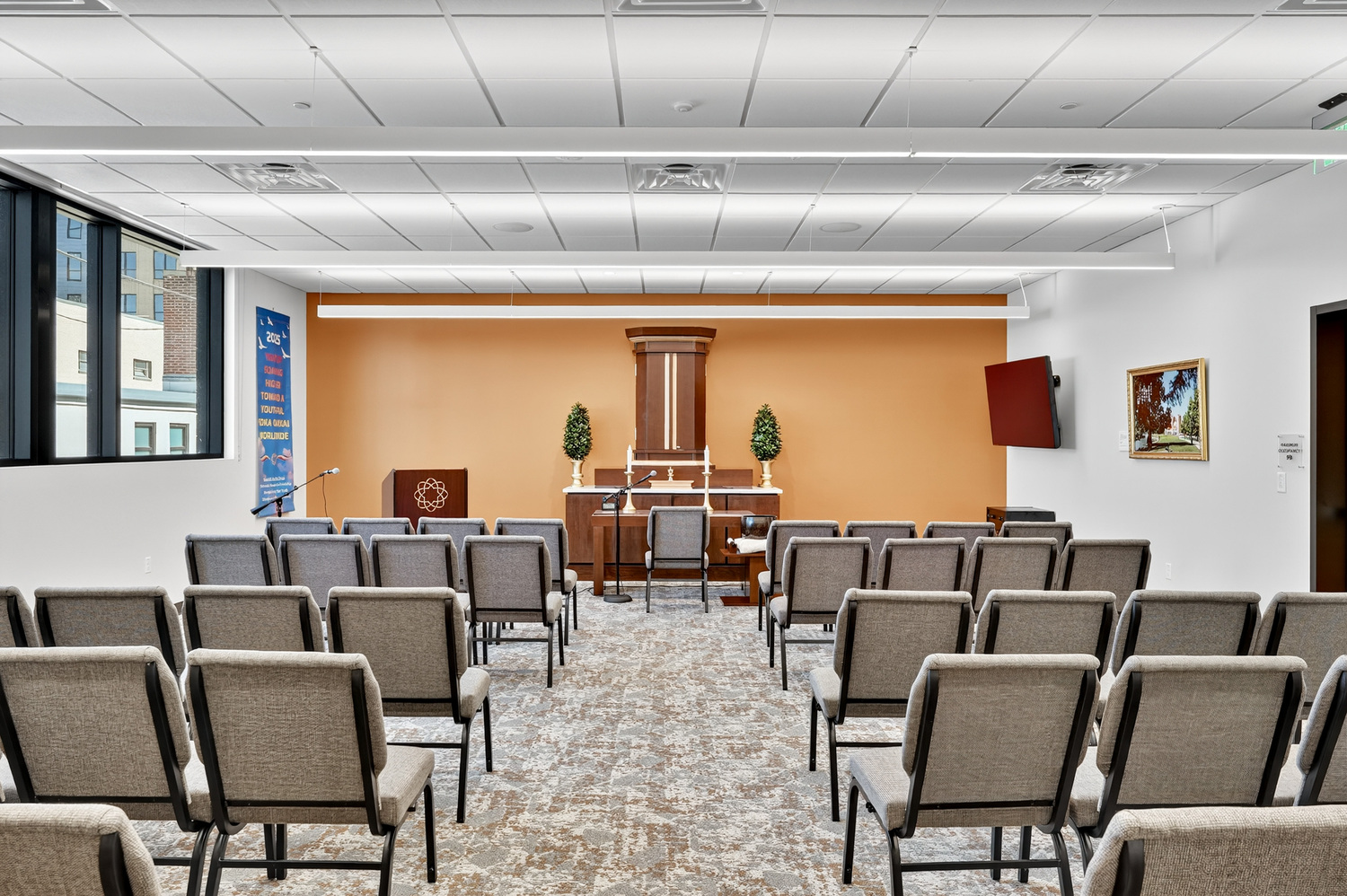
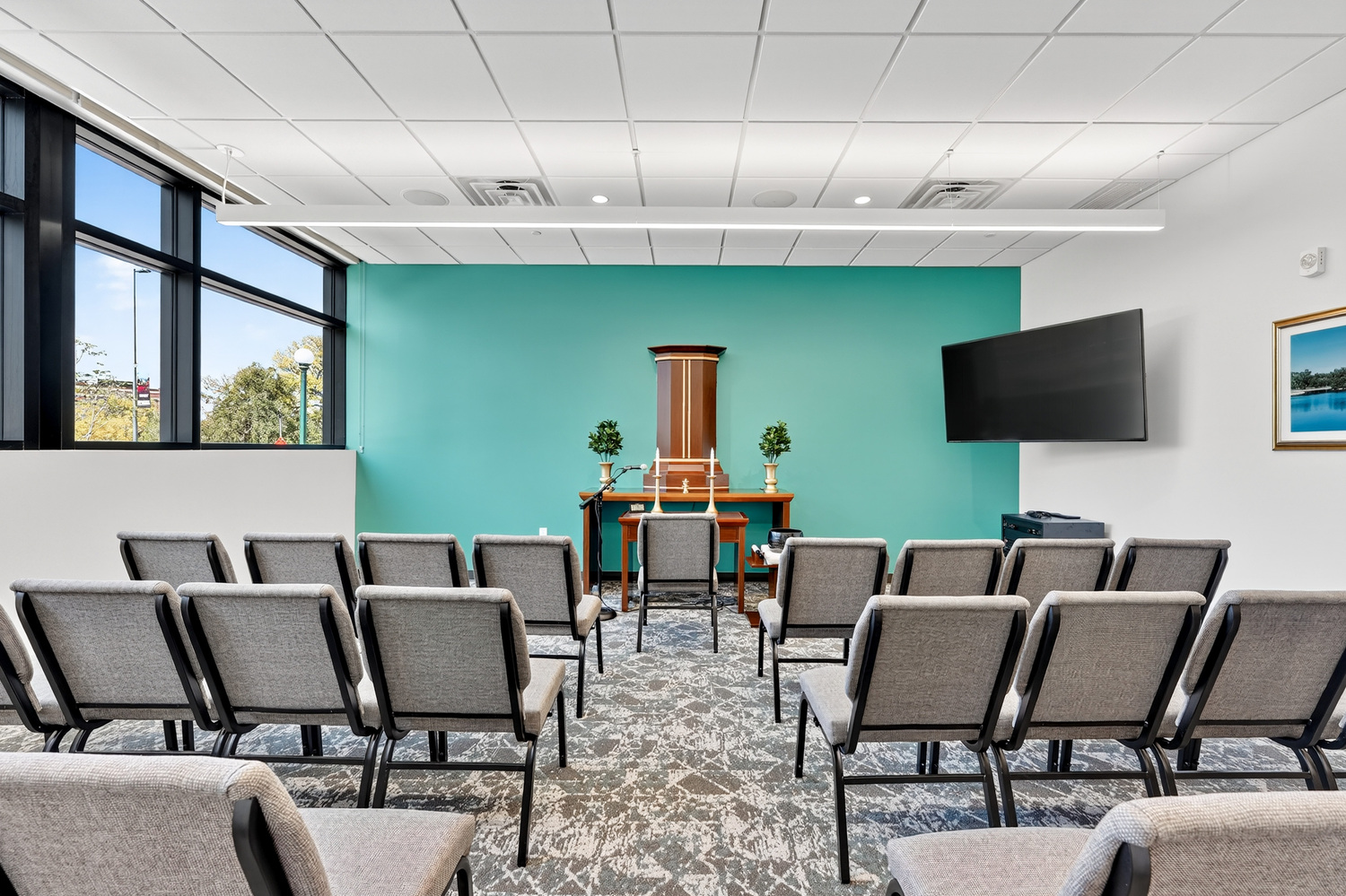
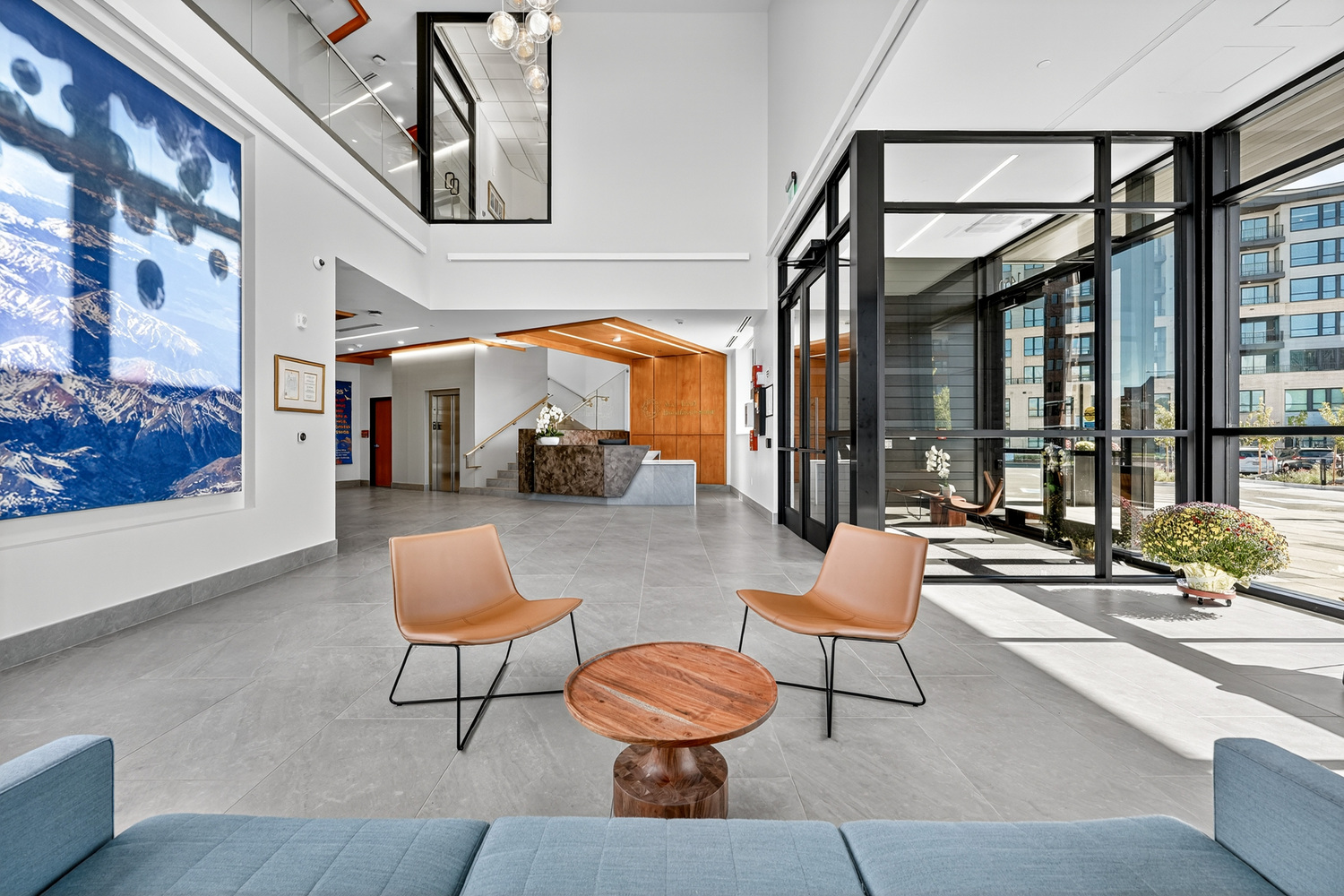
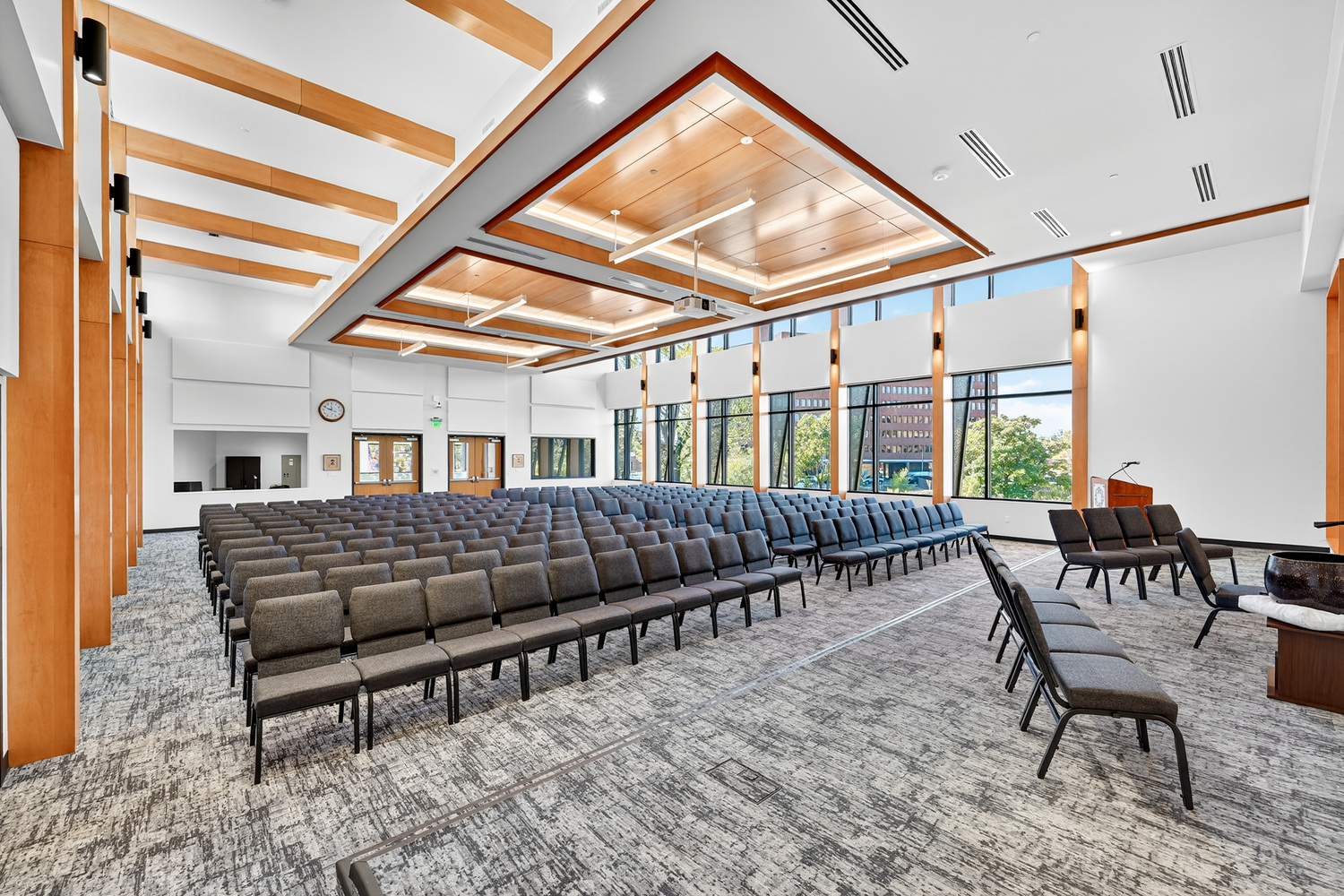
The program is organized around a large worship space with seating for approximately 300 people, complemented by areas dedicated to education, prayer, and meetings, as well as a bookstore open to the public. The architecture is conceived as a representative yet accessible piece, expressing the center’s mission of openness, welcome, and connection with the local community.
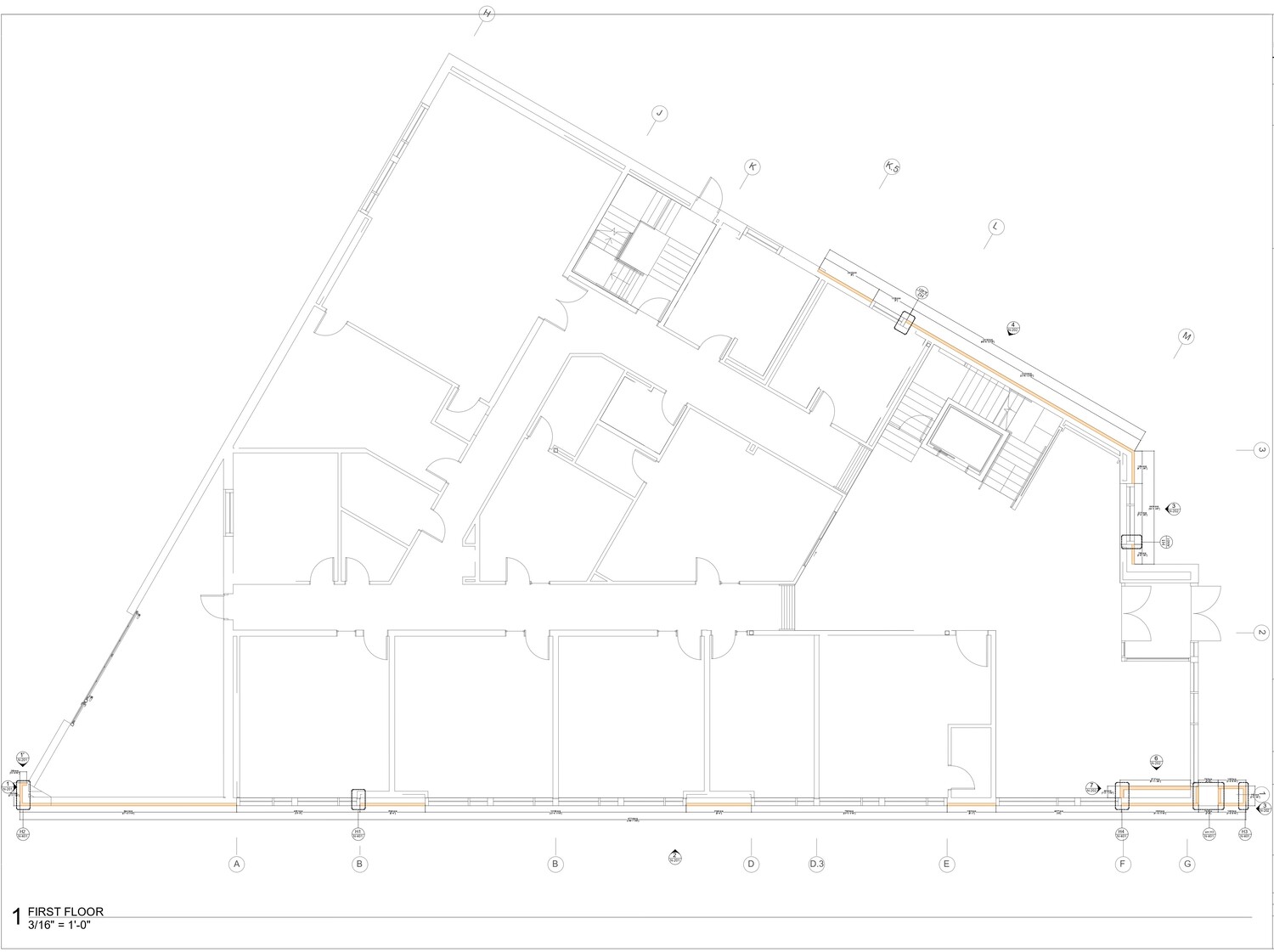
First-floor plan: location of Neolith Iron Corten cladding
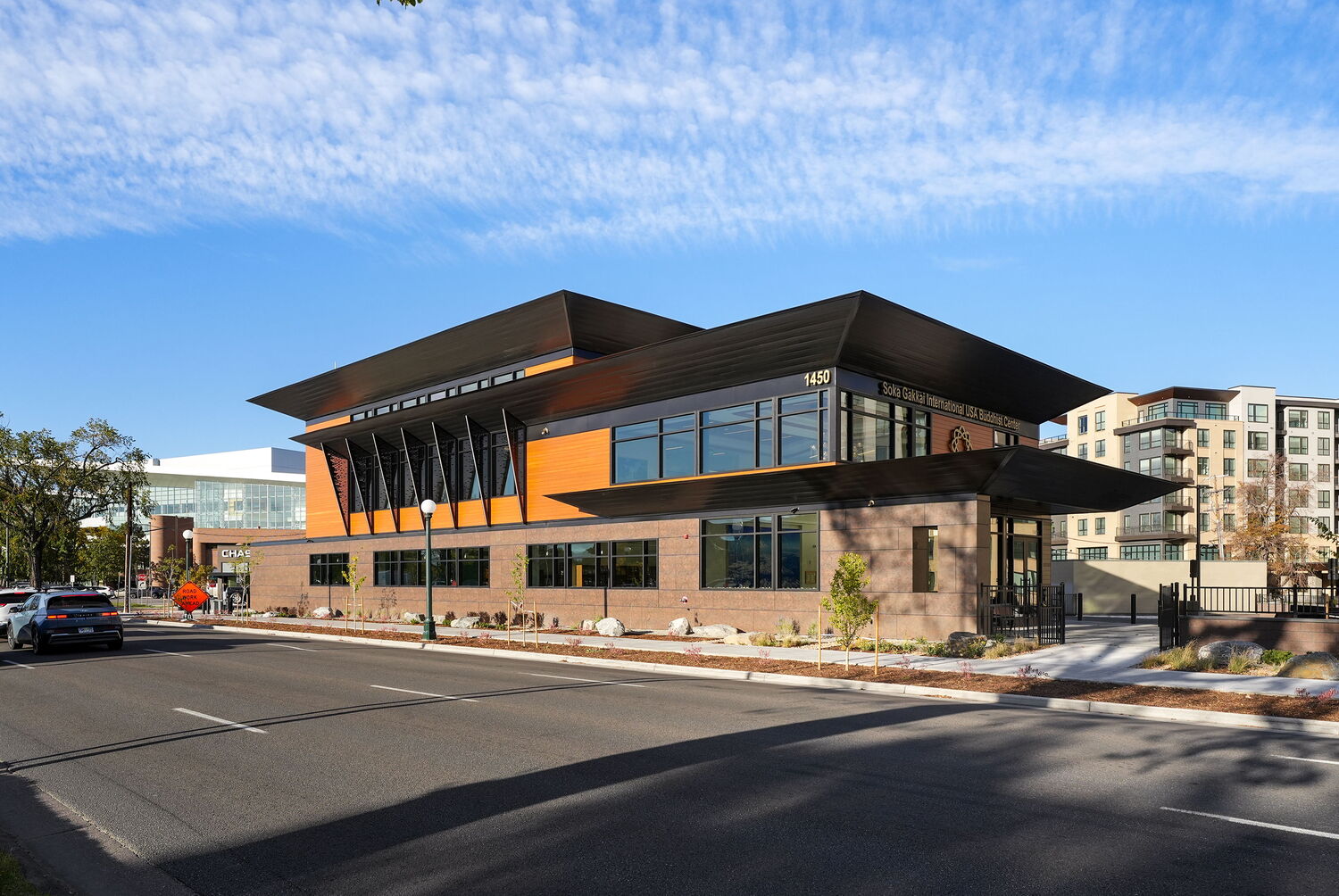
The building has been designed as a fully electric, net-zero energy project, aligned with the City of Denver’s Electrification Initiative. Its state-of-the-art HVAC system based on Variable Refrigerant Flow (VRF) ensures high efficiency in both heating and cooling, while continuous exterior insulation in the facade optimizes the overall energy performance of the building.
Photography by Inhouse Photography
The building envelope thus becomes a strategic element: it maximizes energy efficiency while simultaneously defining the project’s urban expression and architectural identity.
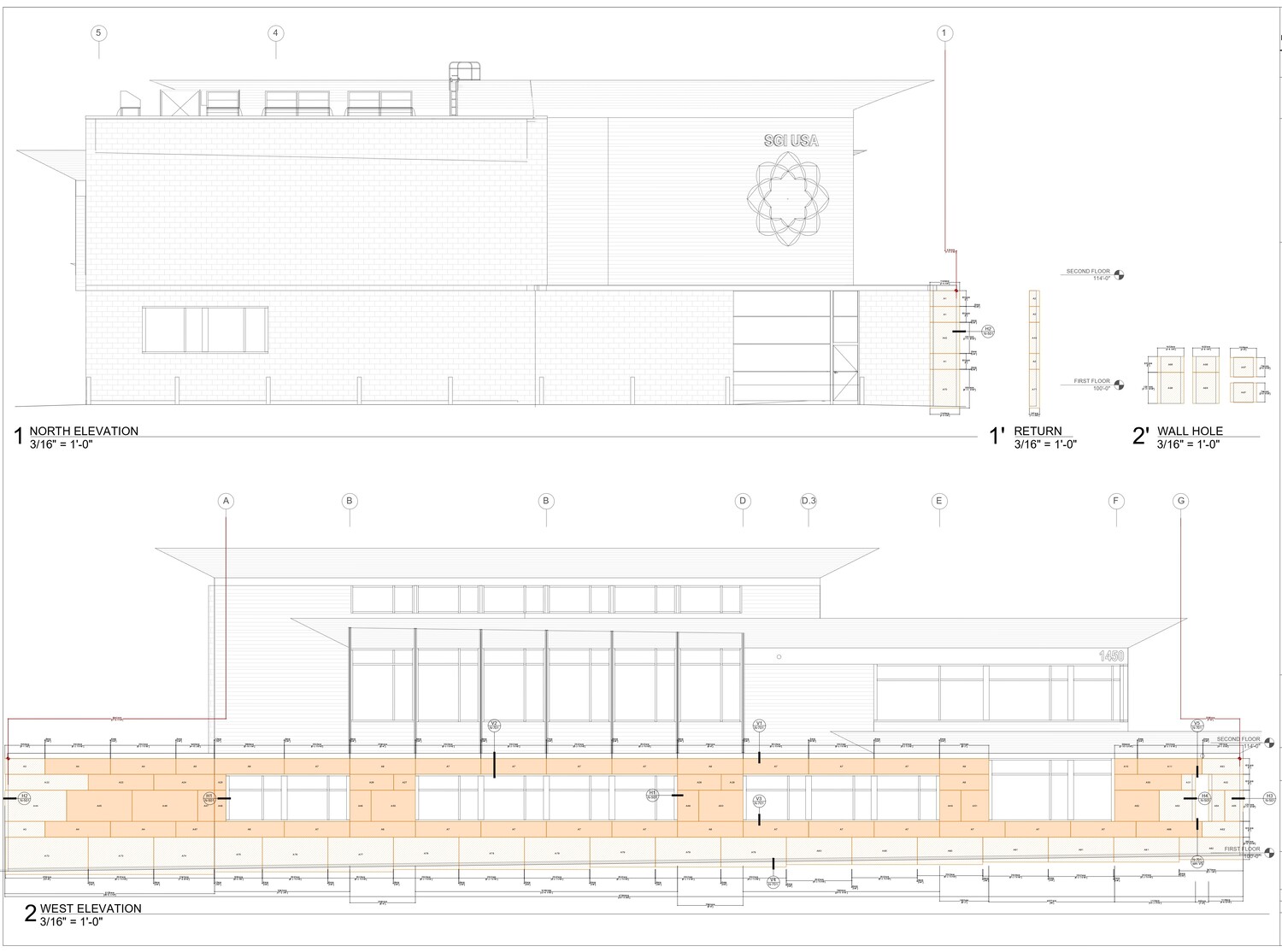
North and west elevations of the SGI-USA Buddhist Center
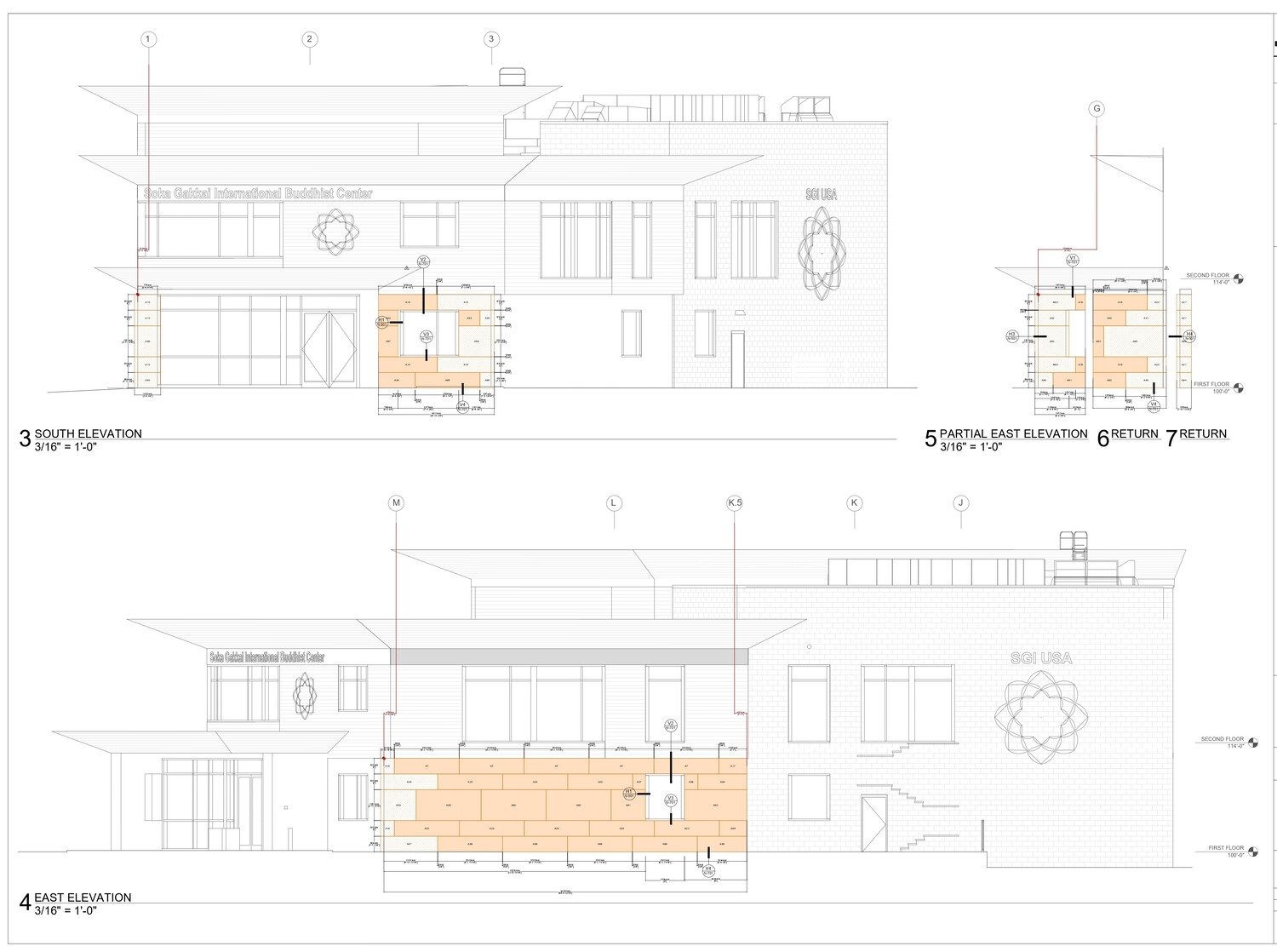
South and east elevations of the SGI-USA Buddhist Center
Neolith Iron Corten for a warm and durable image
Photography by Inhouse Photography
The selection of the facade material was a strategic design decision, seeking a solution that combined robustness, dimensional stability, and an aesthetic aligned with the character of the urban setting, in collaboration with The Stone Collection as the local Neolith distributor.
After a careful comparative evaluation of different surfaces, the Ewers Architecture team identified Neolith as the option that best met the technical and visual requirements of the project.
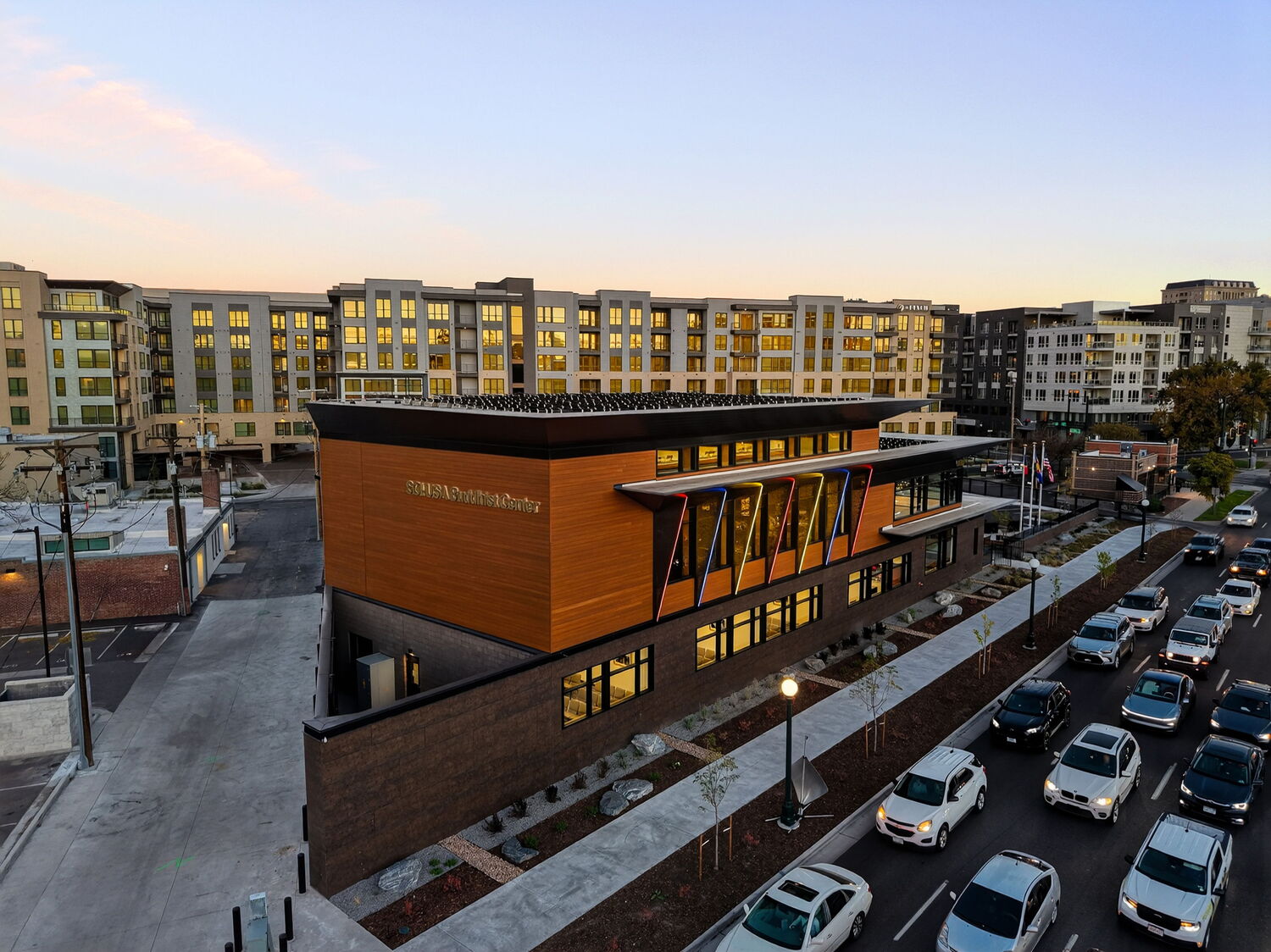
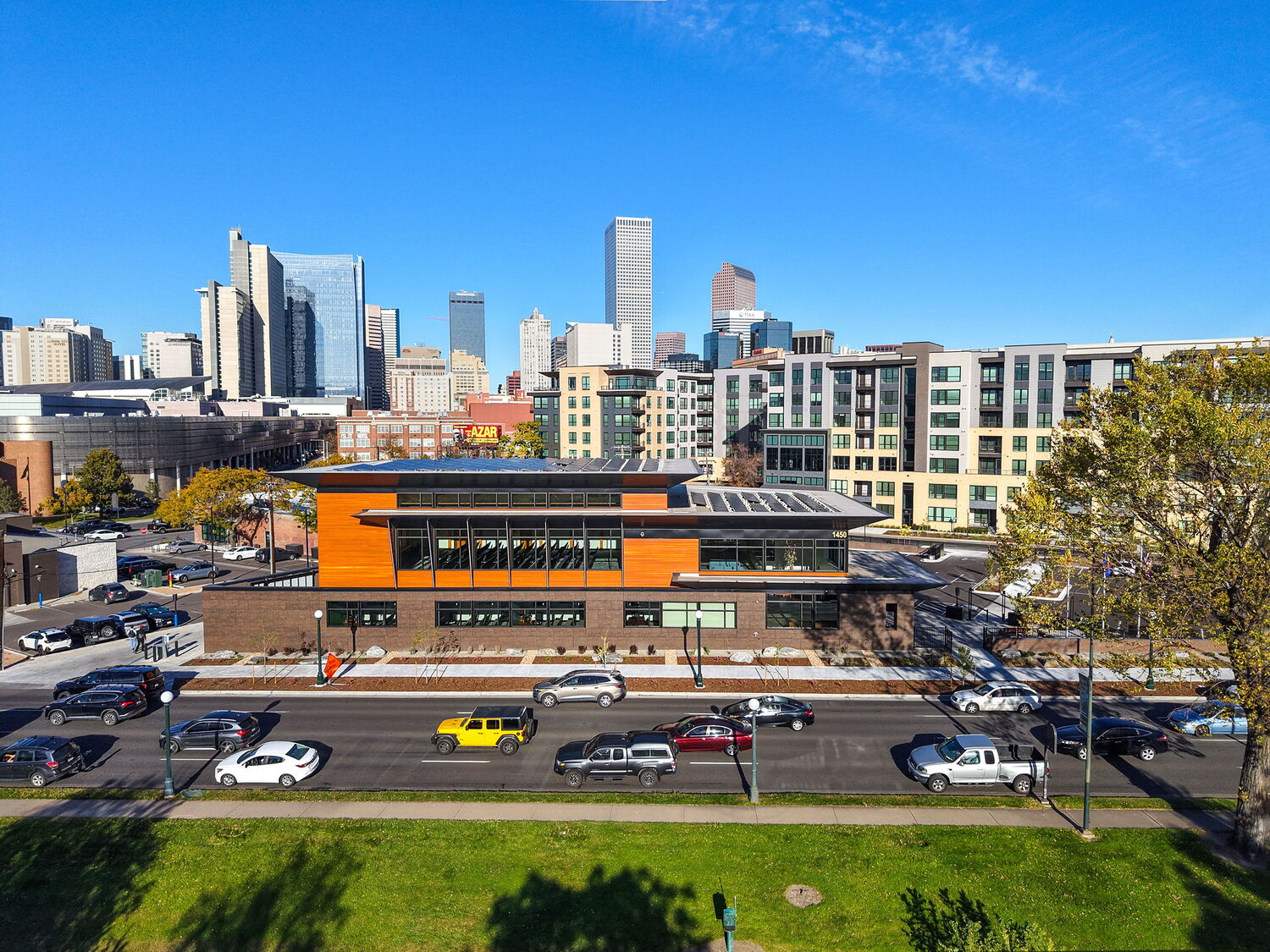
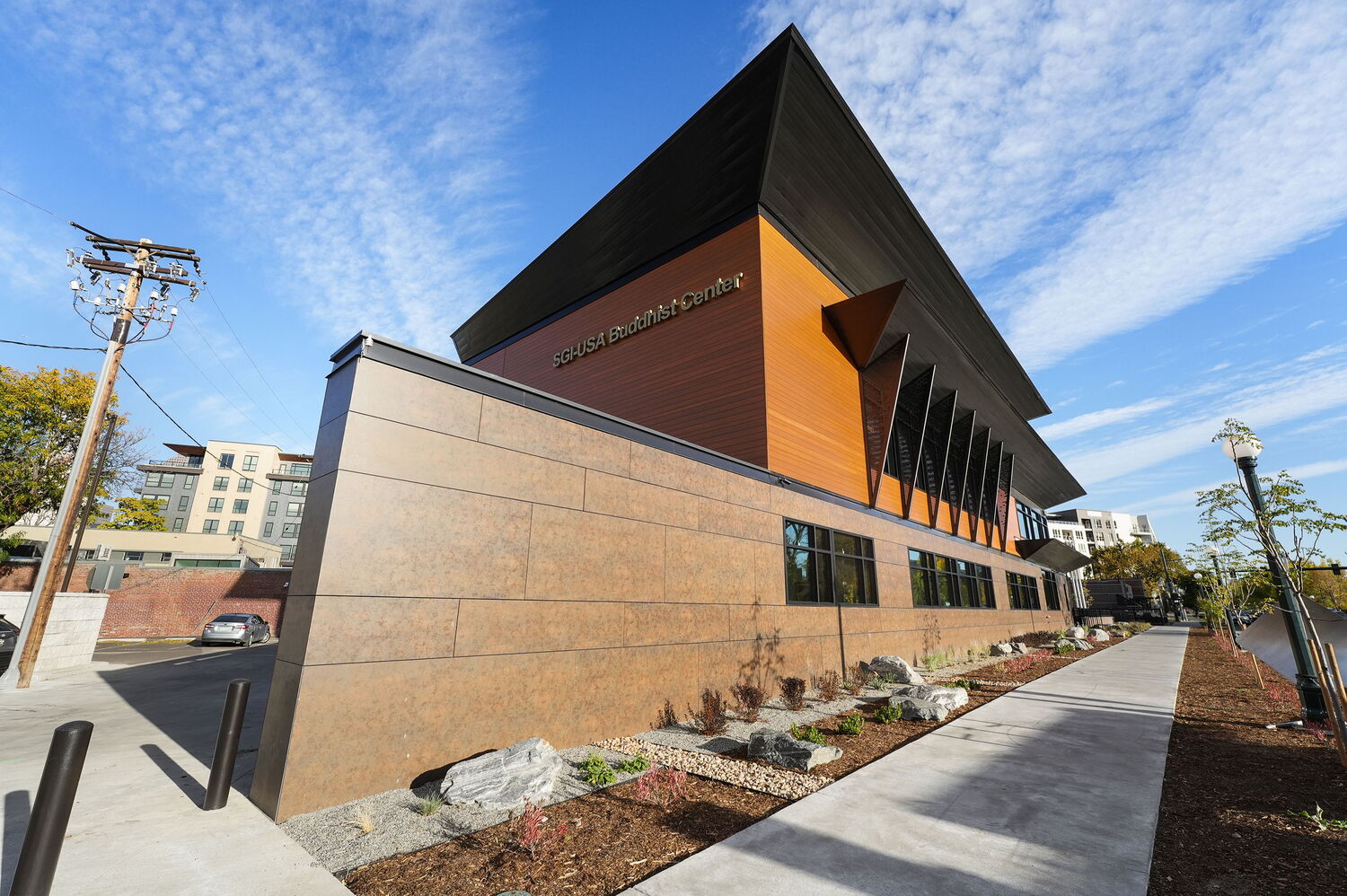
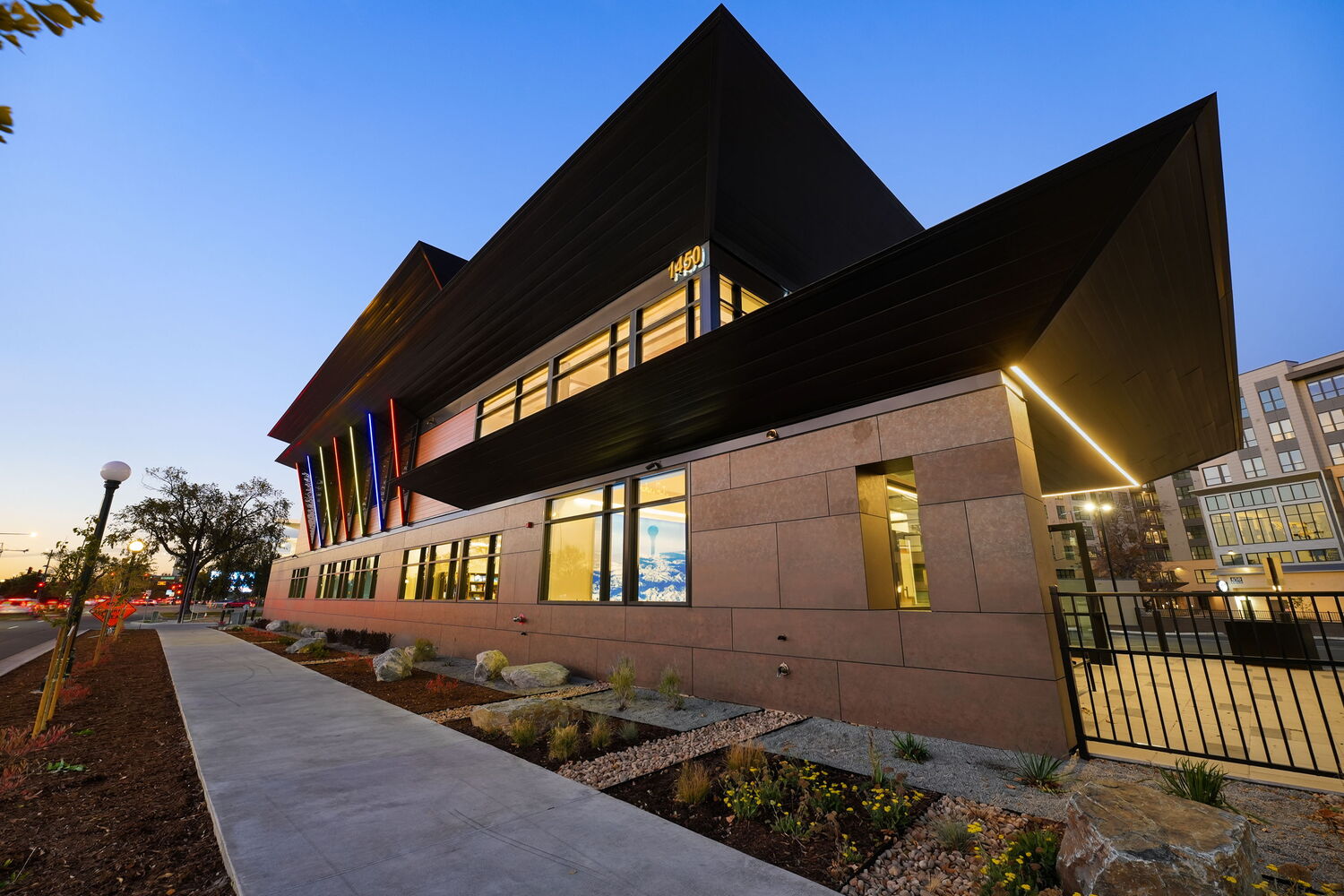
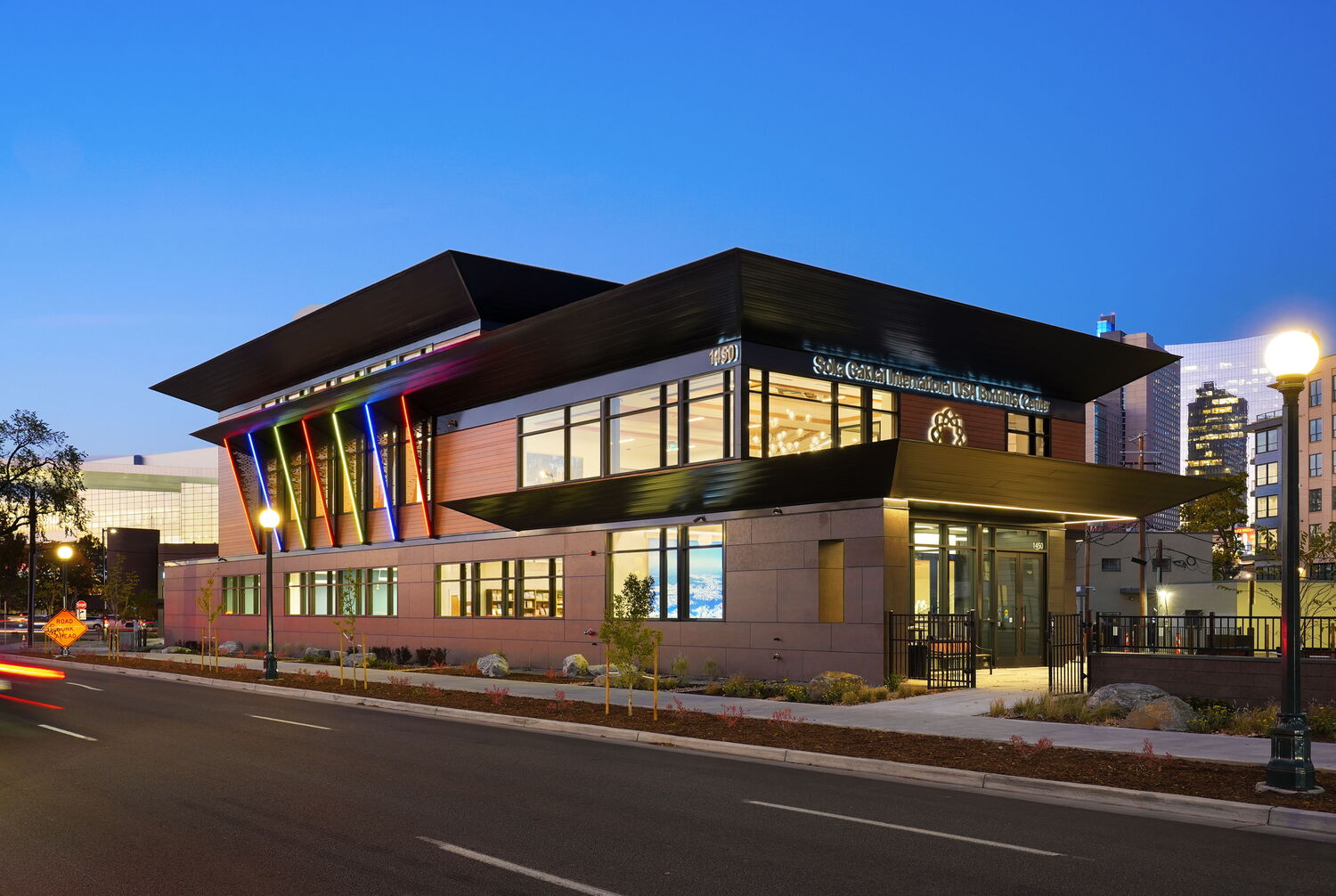
The first level of the building is clad in Neolith Iron Corten, a surface that provides presence, durability, and a distinctive texture, consolidating the architectural identity of the whole.
“We chose Neolith over other materials primarily because the panel sizes worked better for this project and generated less waste. We also really liked the Iron Corten model.”
– Peter J. Ewers,
President, Ewers Architecture
Photography by Inhouse Photography
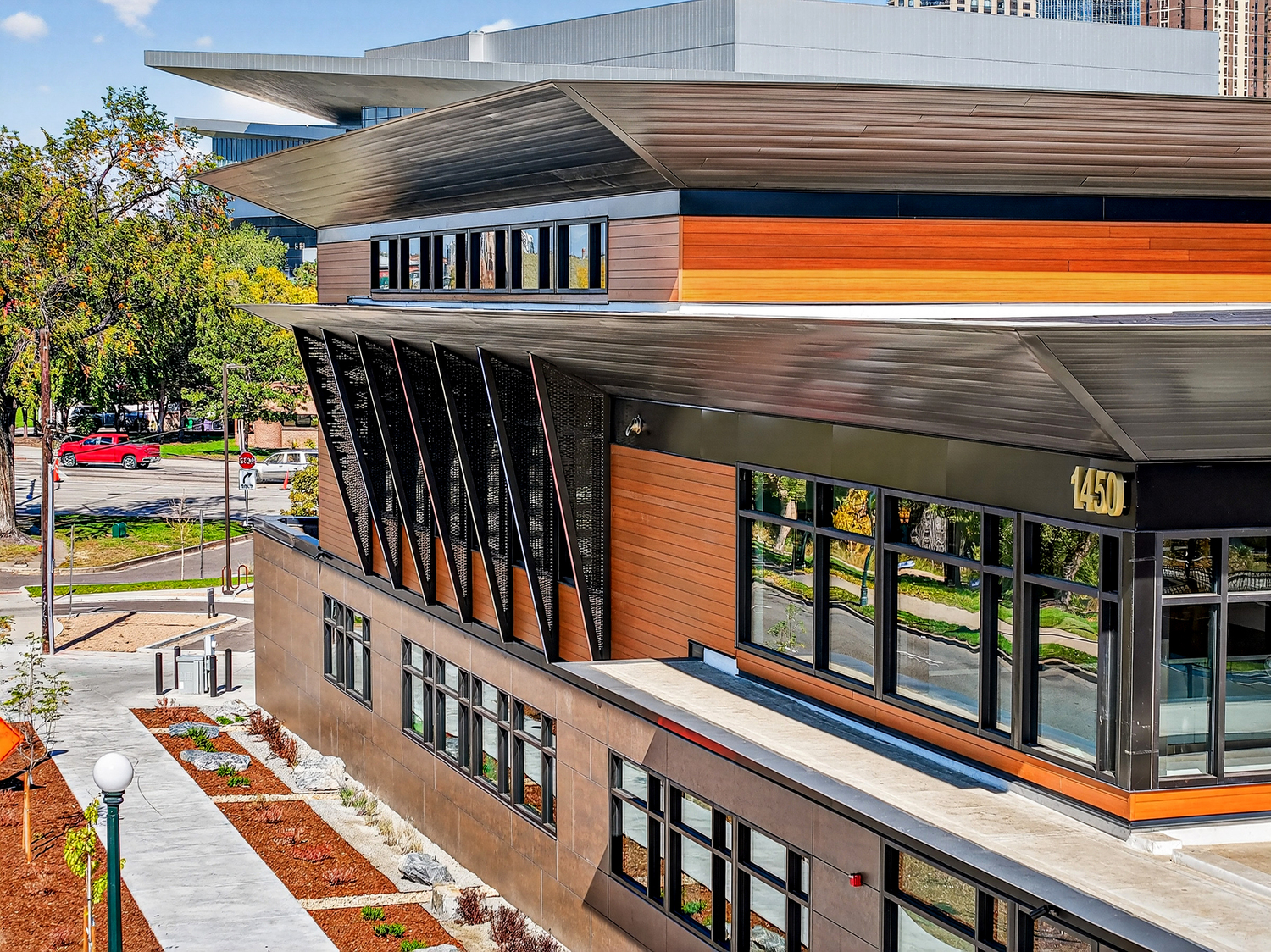
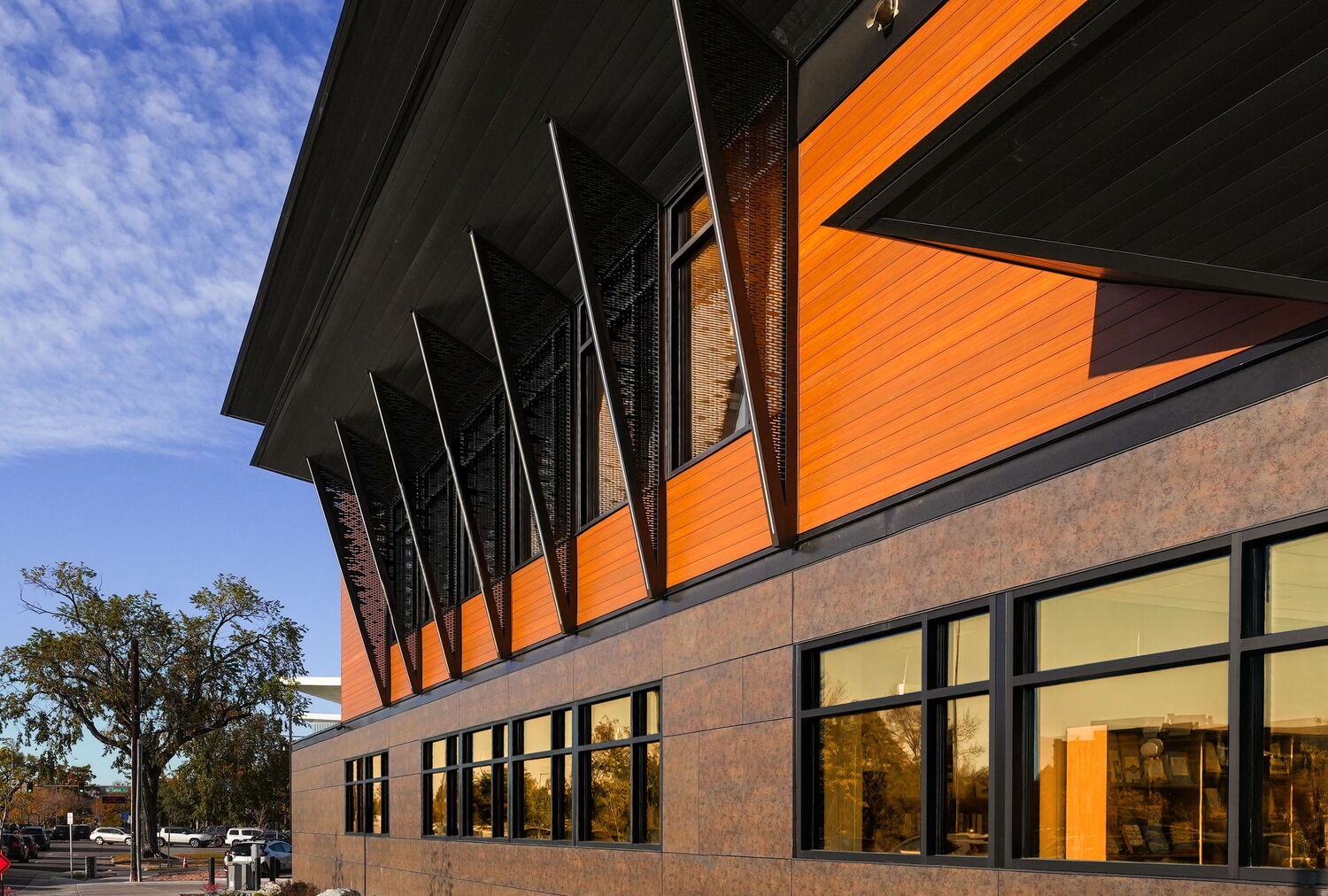
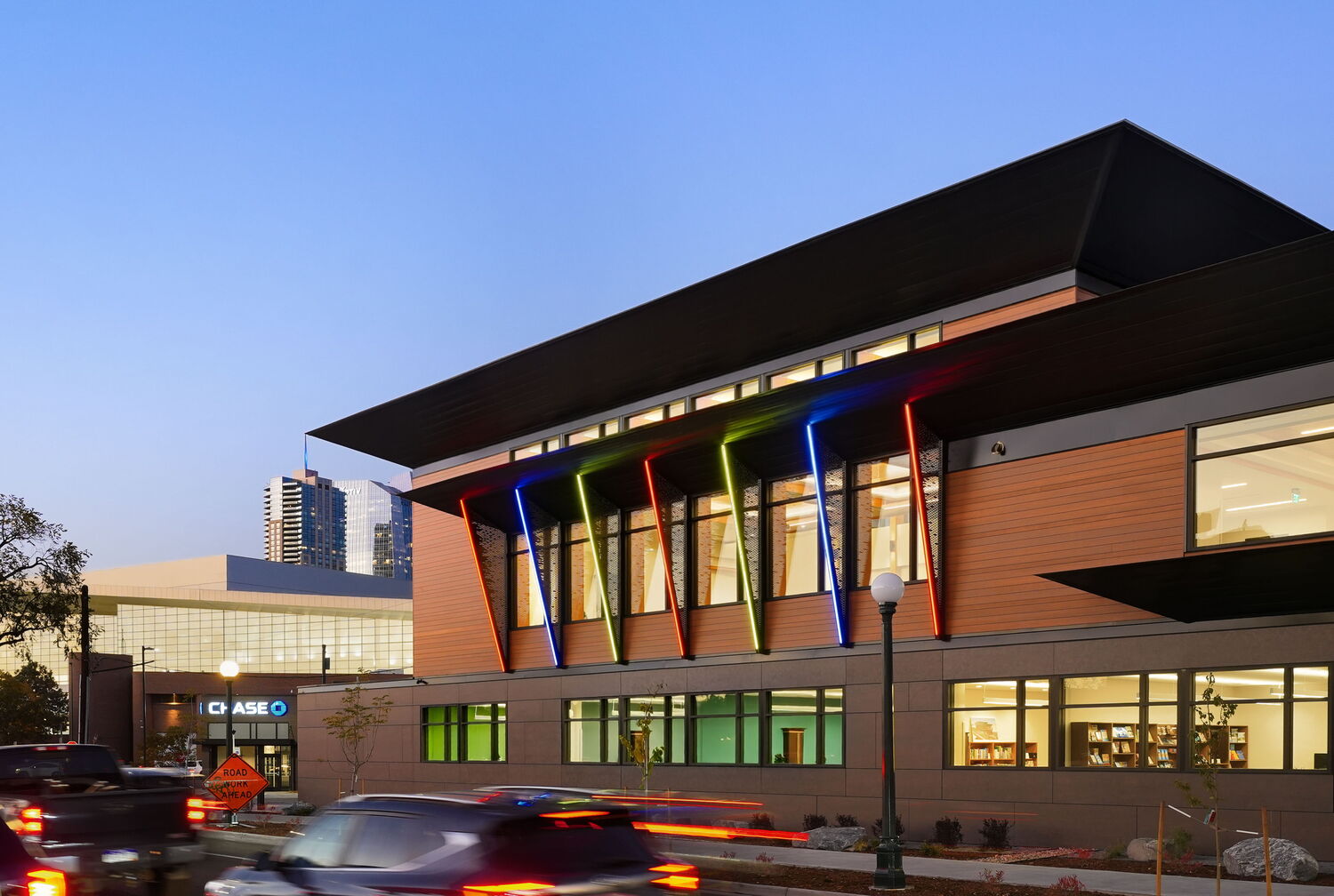
The choice of Neolith Iron Corten was based on a balance between aesthetics and performance. Its metallic finish, with nuances reminiscent of weathered steel, conveys the character of a natural, expressive material, while its resistance to weathering, pollution, and intense urban exposure ensures long-term durability along Speer Boulevard. The first-floor surface engages in dialogue with the wood panels on the upper levels, creating a warm, welcoming composition that softens the technical character of the rest of the envelope and gives the building a distinctive identity.
When viewed from the street or at a distance, the combination of textures and tones creates a dynamic visual effect, in which the warmth of wood and the expressive strength of Iron Corten are balanced with elegance.
“We were looking for a finish with a natural appearance, and this one stood out. It also integrates very well with the wood-finish panels on the upper portion.”
– Peter J. Ewers,
President, Ewers Architecture
Low-maintenance facade in a high-exposure area
Photography by Inhouse Photography
The decision to implement a ventilated facade system was present from the earliest design stages, driven by both Denver’s climate and the project’s ambitious energy targets. The continuous air cavity, combined with exterior insulation, optimizes the hygrothermal performance of the enclosure, improves material durability, and maintains interior stability in response to the region’s pronounced temperature swings, with cold winters and high solar radiation in summer.
This system also provides a robust, easy-to-maintain surface capable of preserving its original appearance despite the challenges of an urban environment.
“We wanted a rainscreen system, and the natural graffiti resistance was also important.”
– Peter J. Ewers,
President, Ewers Architecture
Photography by Inhouse Photography
In a high-traffic urban corridor, durability and ease of maintenance became key requirements. The non-porous surface of Neolith allows for simple cleaning and preserves the building’s original appearance over time, with minimal maintenance costs, in line with the Buddhist center’s long-term vocation.
Neolith’s prior experience in high-demand projects, combined with the stable performance of the Strongfix Slim system, ensures that the envelope maintains its integrity and visual presence even in a demanding urban context, while enhancing the building’s sensory and architectural experience.
Hybrid substructure: Strongfix Slim on a GreenGirt system
Photography by Inhouse Photography
The substructure supporting the Neolith Iron Corten panels combines horizontal girts and vertical hat channels to ensure precise support and efficient drainage. The horizontal GreenGirt acts as the primary support system. Vertical hat channels are installed over these girts, creating the vertical drainage plane required to meet ventilated facade performance criteria.
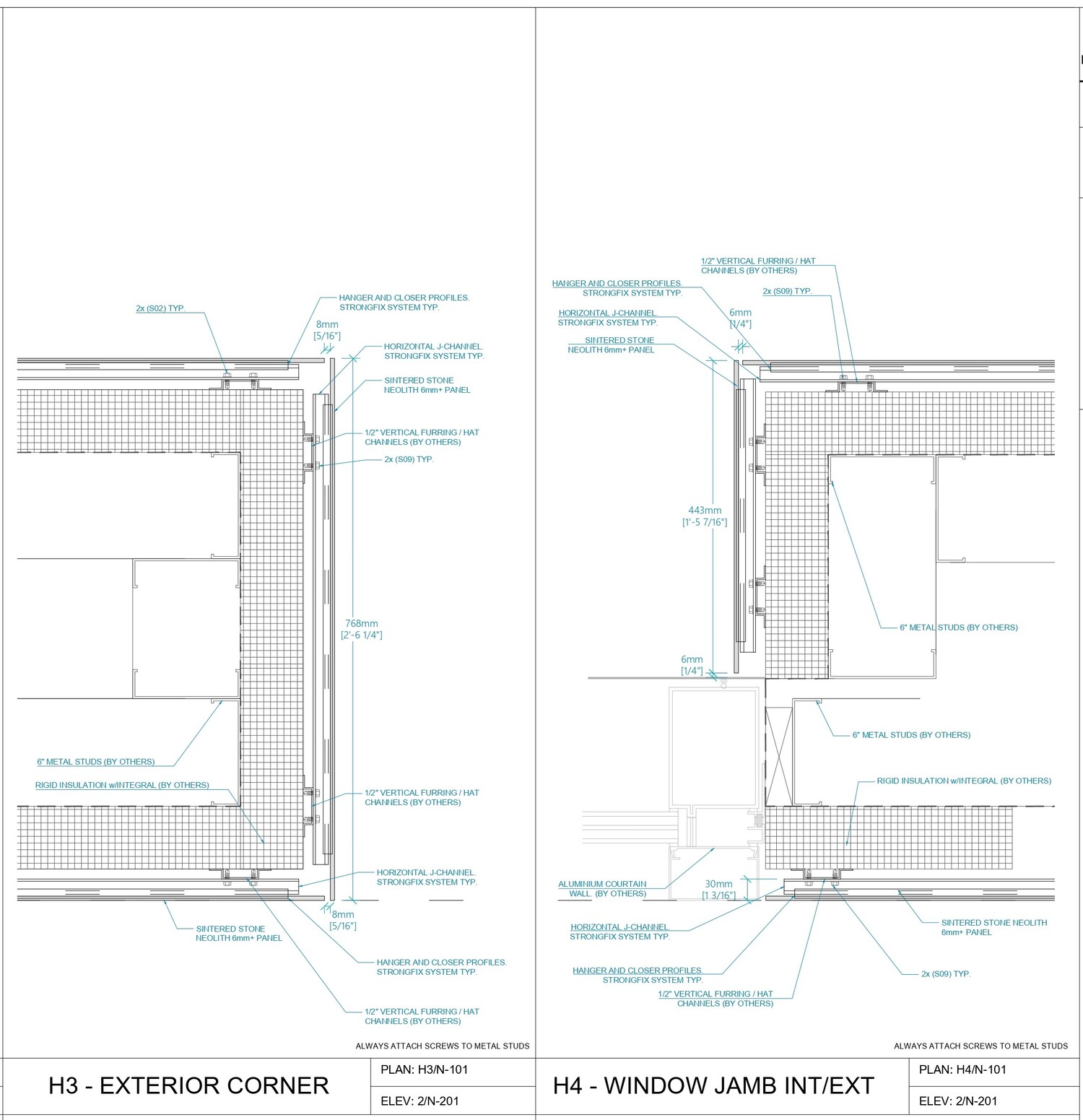
Horizontal details: exterior corner (H3) and window jamb (H4)
The Strongfix Slim system, mounted horizontally on the panels, is anchored to these vertical channels, as it cannot be fixed directly to horizontal girts unless perfect alignment is achieved. This hierarchical configuration maintains precise panel alignment, ensures the integrity of the envelope, and delivers stable, long-lasting performance even under demanding climatic conditions.
“This system is installed over GreenGirt, which is horizontal. Since we needed a ventilated facade, having a vertical drainage plane was essential, which is why we added the vertical hat channels.”
– Peter J. Ewers,
President, Ewers Architecture
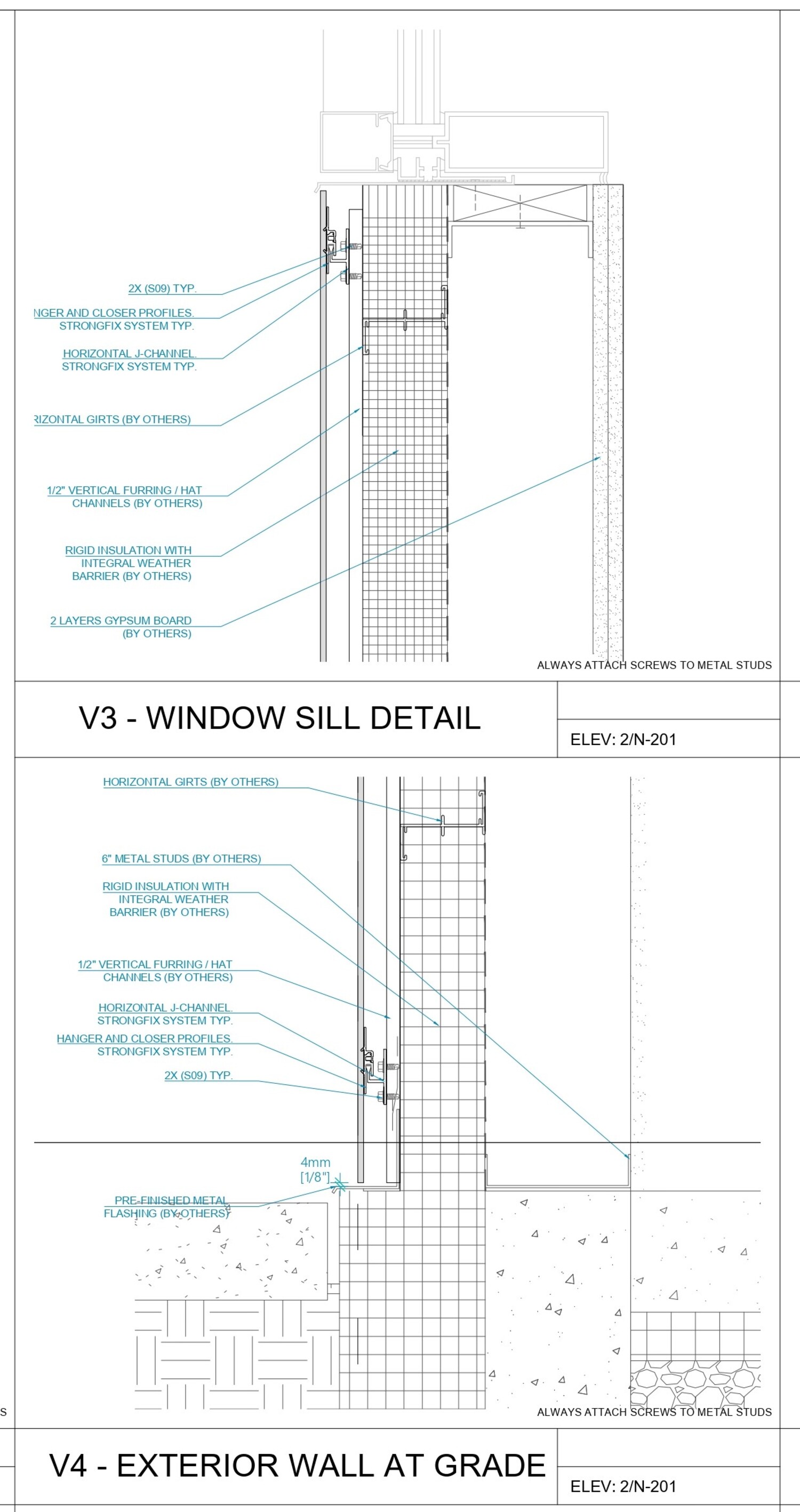
Vertical details: window sill condition (V3) and exterior wall at grade (V4)
The Strongfix Slim system, a concealed mechanical anchoring solution, provides precise fixation for Neolith panels, working in coordination with the hybrid substructure of horizontal girts and vertical hat channels. This configuration enables the installation of large-format panels with exact alignment and visual uniformity, ensuring that the facade maintains its integrity and stability even under extreme weather conditions.
The ventilated cavity created by the substructure acts as an efficient drainage plane, evacuating rainwater and interior vapor while protecting the durability of the materials. The use of optimized profiles and anchors reduces the linear weight of the facade and delivers a refined aesthetic result, where each panel integrates seamlessly into the overall composition.
Photography by Inhouse Photography
Inspired by other high-performance envelopes developed with Strongfix in demanding projects, this solution combines innovation, performance, and longevity, delivering a robust and elegant facade that maintains its presence and functionality over time.
Design freedom and specialized technical support
Photography by Inhouse Photography
Close coordination between Ewers Architecture, installer Douglass Colony Group, and the Neolith technical team made it possible to refine panel layout and modulation in line with the desired architectural language, reducing waste through rational use of formats and ensuring panels fit precisely within the intended grid, minimizing on-site adjustments.
This level of precision complements the structural performance of the system, integrating the ventilated facade into a building designed for an extended life cycle and optimized maintenance.
Photography by Inhouse Photography
The result is an envelope that supports the building’s net-zero condition and acts as an interface between the spiritual nature of the interior program and the intensity of the adjacent roadway. The future development of landscaping and pedestrian paths will complete this strategy, enhancing accessibility and consolidating the SGI-USA Buddhist Center as a benchmark project in the sustainable renewal of Speer Boulevard.
Technical sheet
Project name: SGI-USA Buddhist Center
Location: Denver, Colorado, U.S.
Typology: Centro de culto
Approximate area: 200 m²
Architecture firm: Ewers Architecture
General contractor: PG Arnold Construction
Facade installer: Douglass Colony Group
Distributor: The Stone Collection
Civil engineering and landscape consulting: Baseline
Neolith material: Neolith Iron Corten
Fixing system: Strongfix Slim ventilated facade on GreenGirt substructure with vertical hat channels”
Energy performance: Fully electric building, net-zero energy, with VRF heating and cooling systems and continuous exterior insulation



Neolith products
in this project

