A coastal residence built to stand the test of time
Christchurch, New Zealand
A home shaped
by its surroundings
|
Project location: |
Christchurch, New Zealand |
|
Type of project: |
Residential building |
|
Architecture and design: |
Caleb Skene in collaboration with MC Architecture Studio |
|
Neolith materials: |
Neolith Krater and Neolith Calatorao |
Sixth Degree is located in Redcliffs, Christchurch, on a site where the estuary defines both the atmosphere and the material character of the place. Designed by Caleb Skene in collaboration with MC Architecture Studio, the house is built from a close reading of this coastal edge: its mineral ground, its changing light, its exposure to weather, and the quiet movement of water through the landscape.
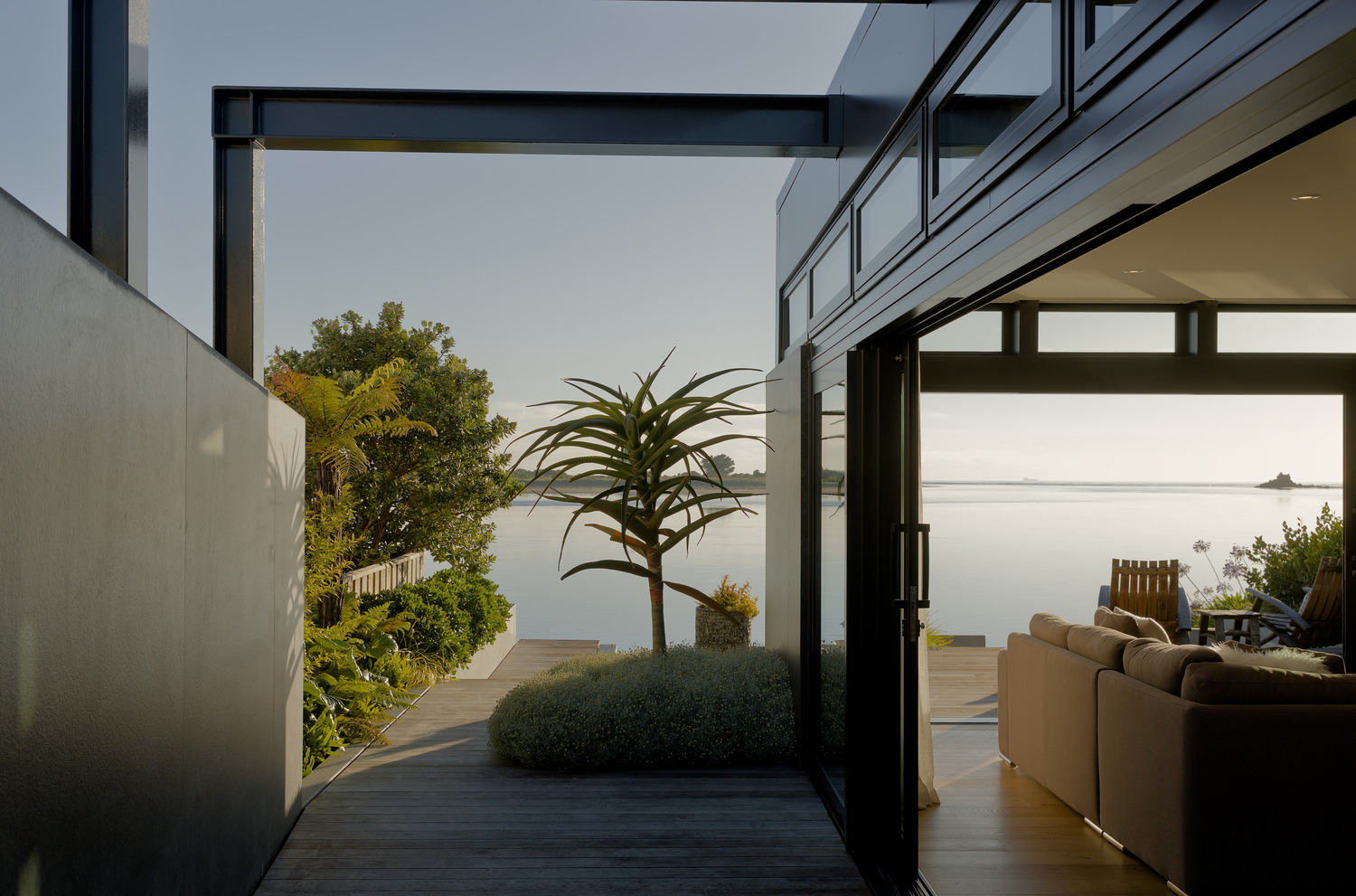
The project is organized around a compact architectural presence, where volume, surface, and openings are carefully calibrated in response to the conditions of the site. Mass, texture, and proportion give the house a grounded presence, while selected voids allow light and fragments of nature to enter the interior.
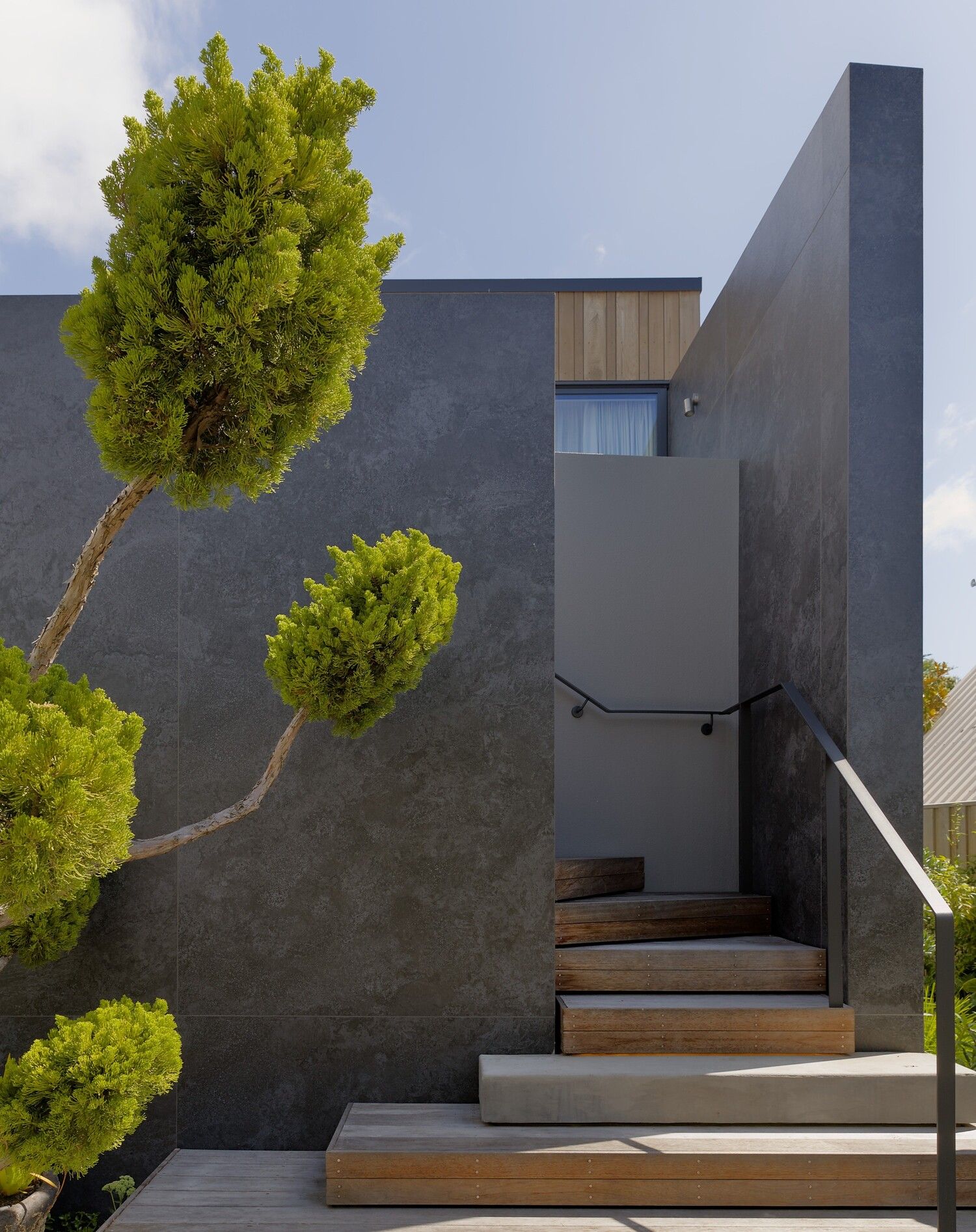
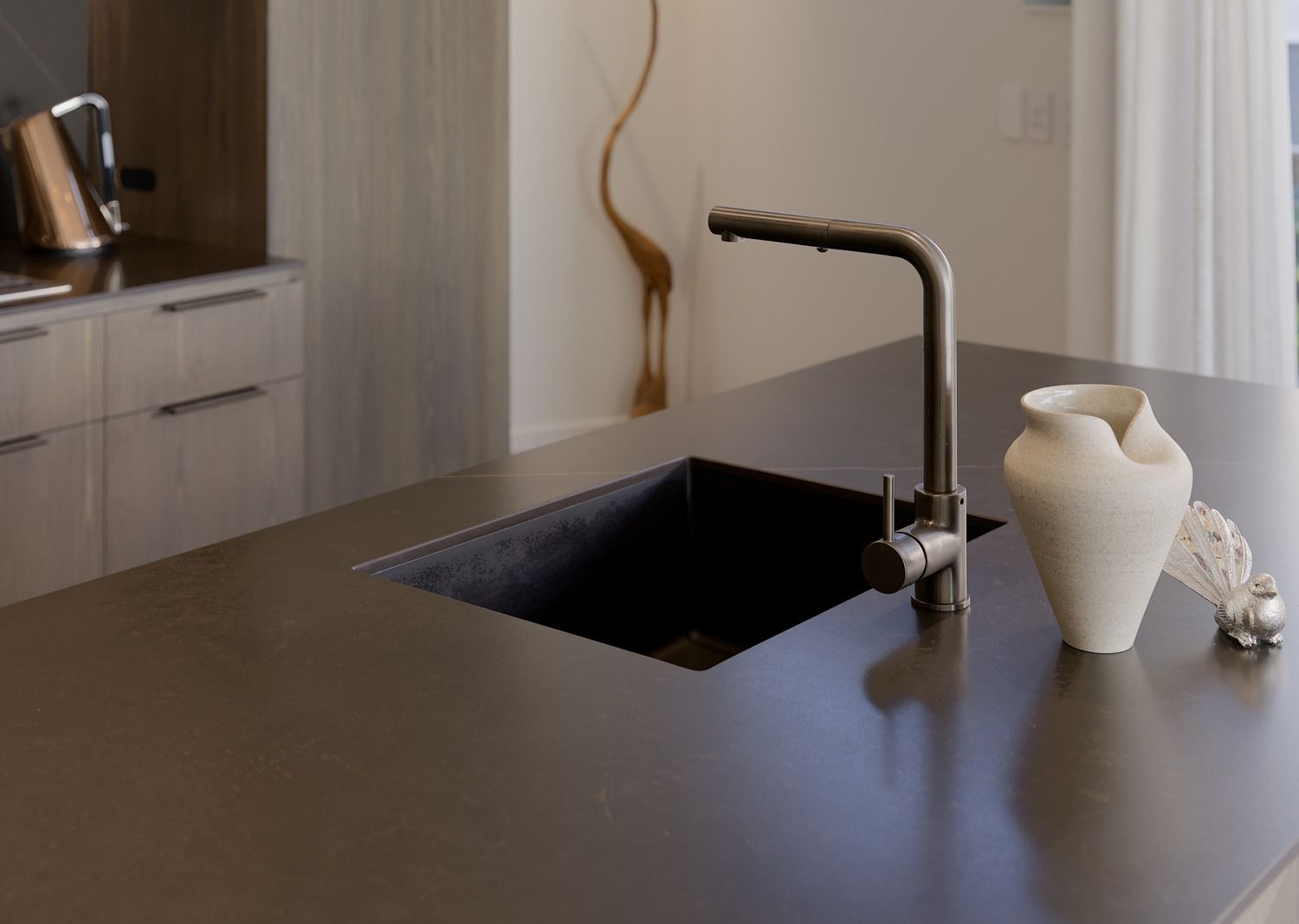
Neolith was specified in two main areas. Neolith Krater was used as exterior cladding, contributing to the building’s mineral expression and its capacity to respond to coastal exposure. Neolith Calatorao was applied to the kitchen countertop and backsplash, extending the same consideration for durability, precision, and daily performance into the interior.
“We chose Neolith for its combination of durability, low maintenance, and its ability to achieve a monolithic aesthetic that aligns closely with the architectural intent of the project.”
— Caleb Skene
Architectural Designer
Exterior cladding with lasting purpose
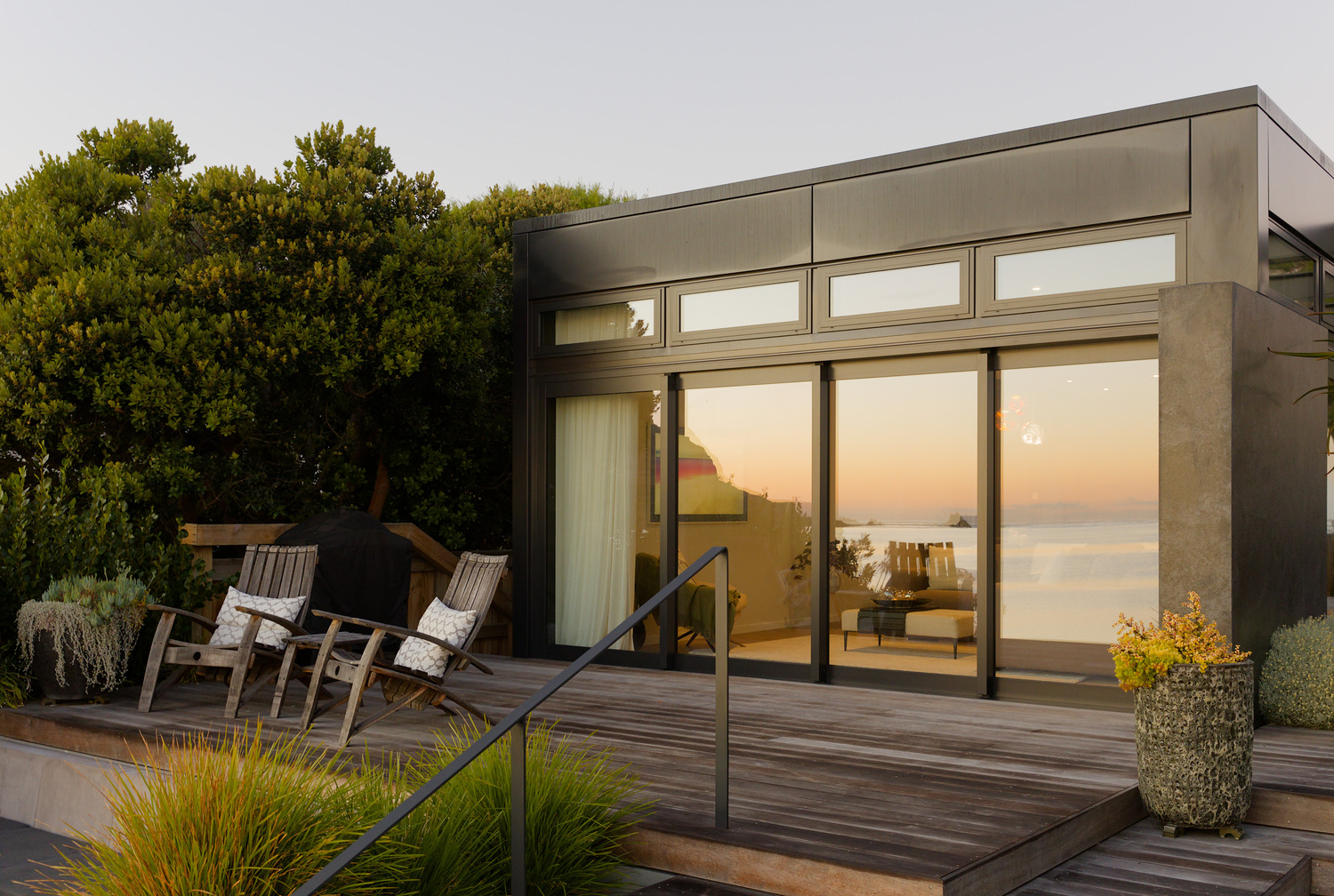
In Redcliffs, the exterior envelope is not a neutral surface. It must respond to salt, moisture, UV radiation, wind, and the natural wear associated with a maritime environment. These conditions made material selection a technical decision as much as an architectural one.
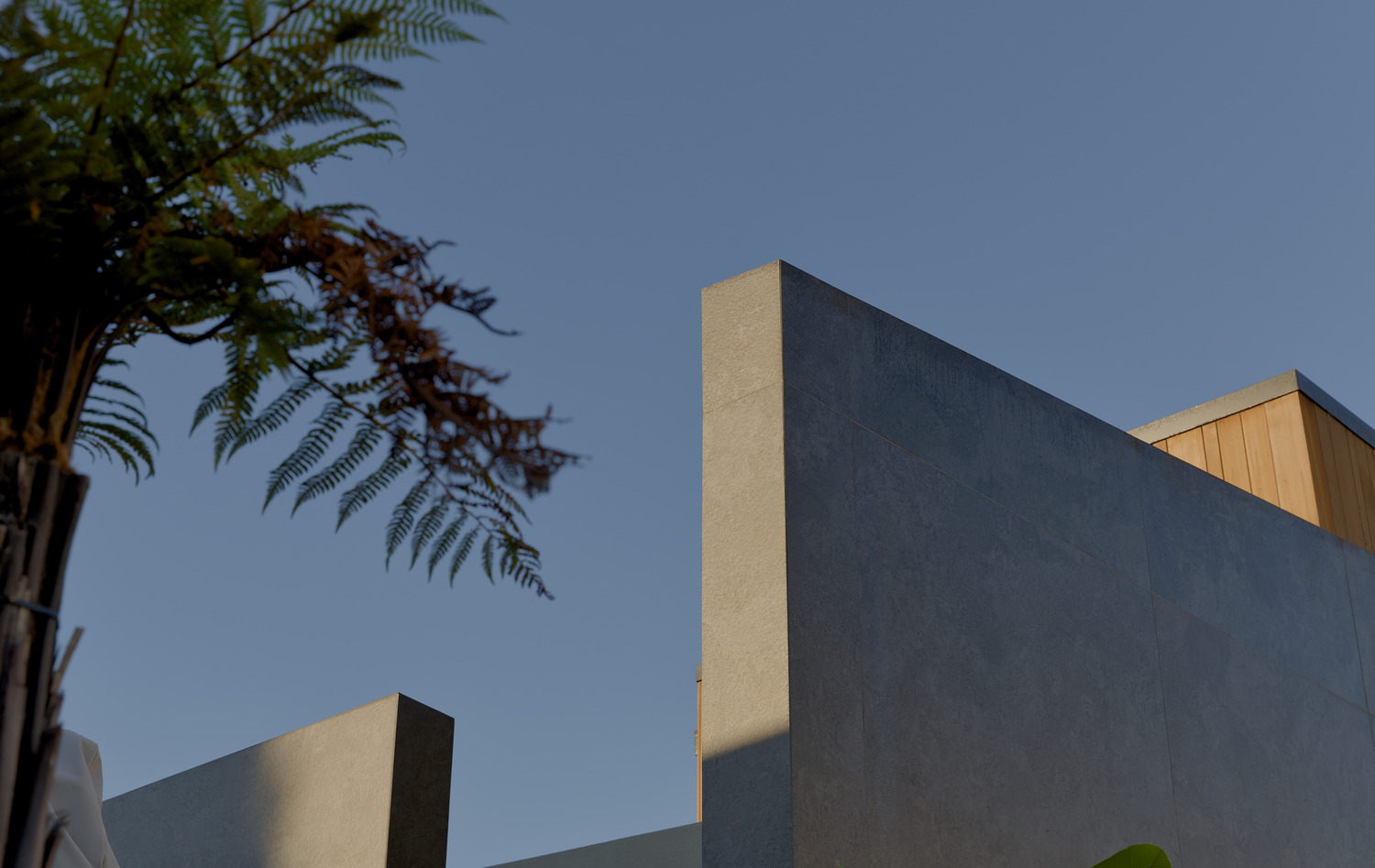
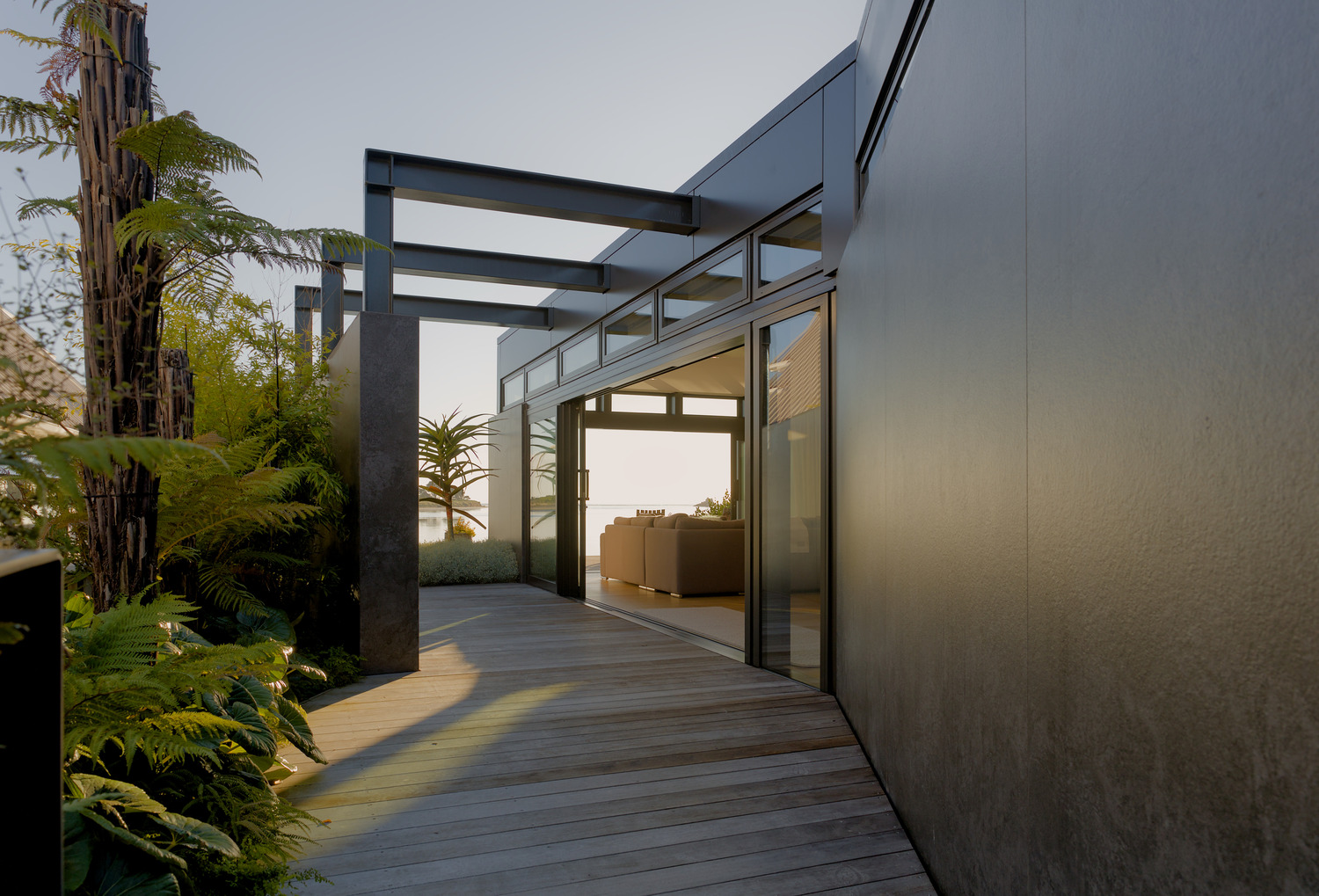
Neolith Krater was installed as exterior cladding using an adhesive fixing system over cement sheet. This application allowed the facade to maintain a clear reading while providing the resistance required by the site. Its resistance to environmental exposure reduces the need for frequent maintenance and supports the building’s long-term stability.
“Resistance to salt, moisture, UV exposure, and wear ensures long-term performance with minimal upkeep, which was essential for the longevity of the building.”
— Max Capocaccia
Architect and Co-designer, MC Architecture Studio
A grounded material expression
The choice of Neolith Krater also responds to the landscape. Its tone and texture recall the surrounding coastal matter: stone, sand, and weathered surfaces shaped by time and exposure. Through this material connection, the house establishes a direct relationship with the terrain around it.
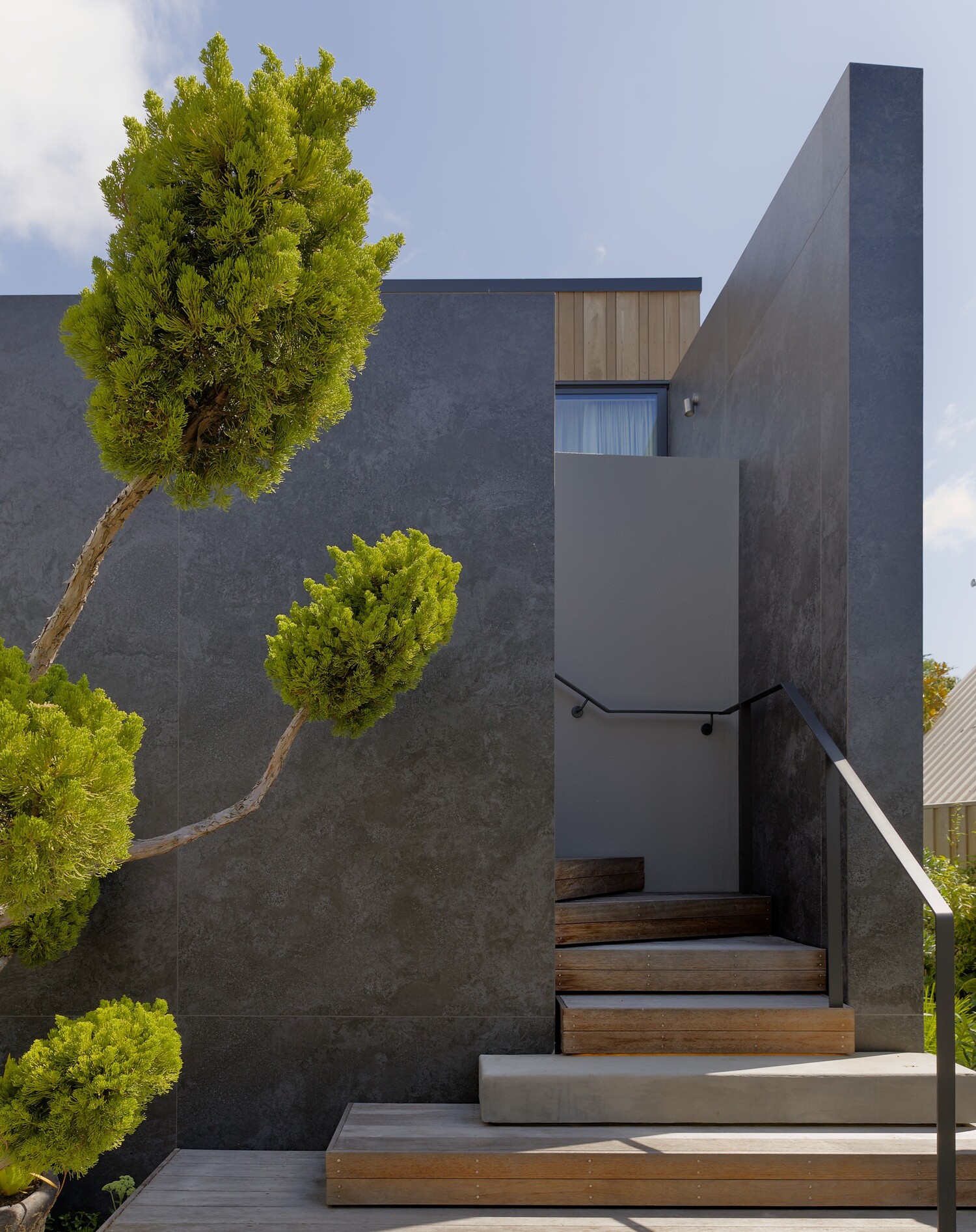
“Its natural tones and textures echo the surrounding coastal environment—stone, sand, and weathered surfaces—allowing the building to feel grounded and embedded within its context.”
— Caleb Skene
Architectural Designer
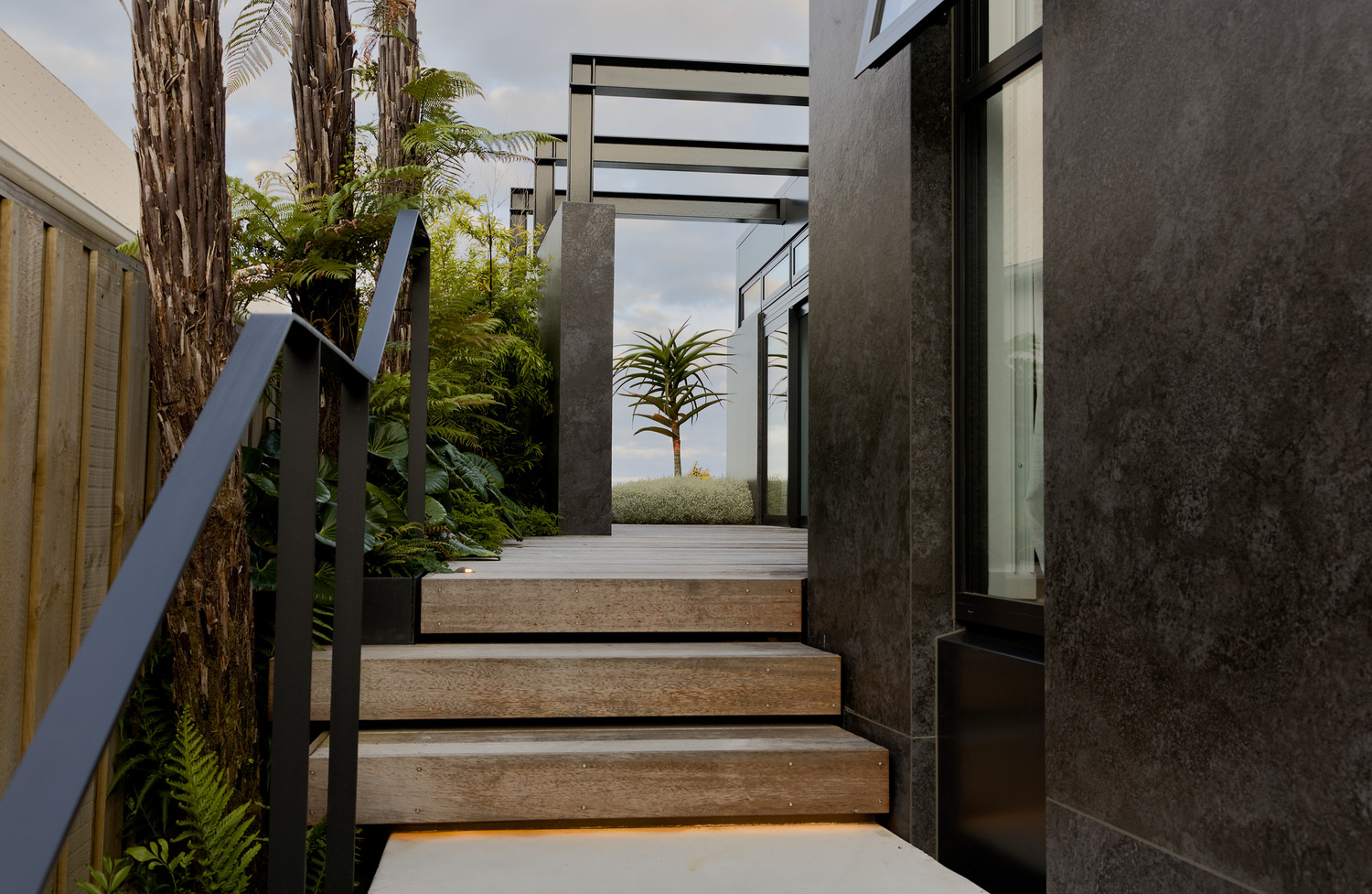
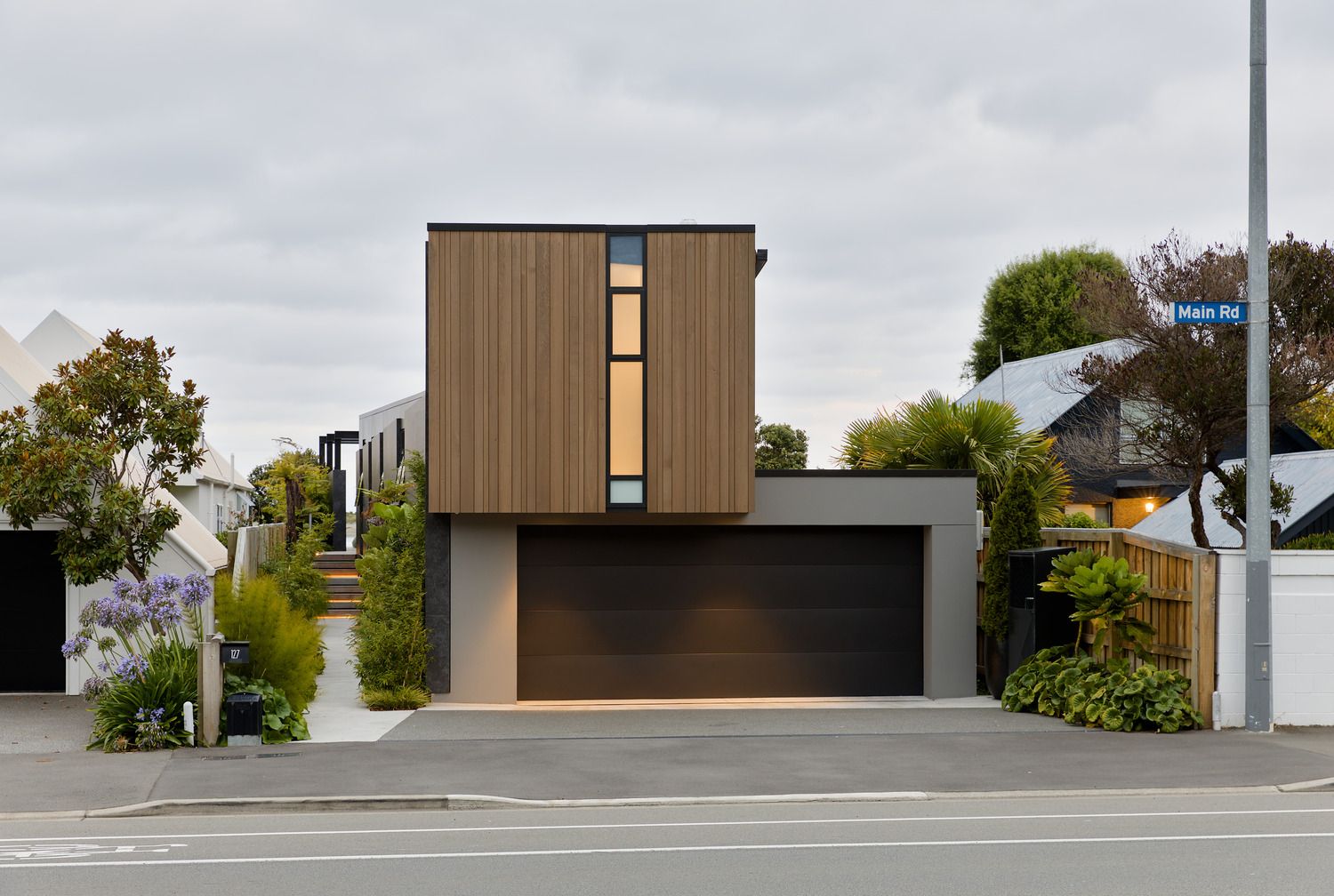
This relationship is reinforced by the balance between Neolith, cedar, and glass, with random-width vertical cedar shiplap bringing variation, texture, and natural grain to the composition. The stone surfaces form the protective body of the house.
“Random-width vertical cedar shiplap and large-format stone tiles root the dwelling within the coastal landscape.”
— Max Capocaccia
Architect and Co-designer, MC Architecture Studio
Neolith Calatorao, an elegant statement for the heart of the home
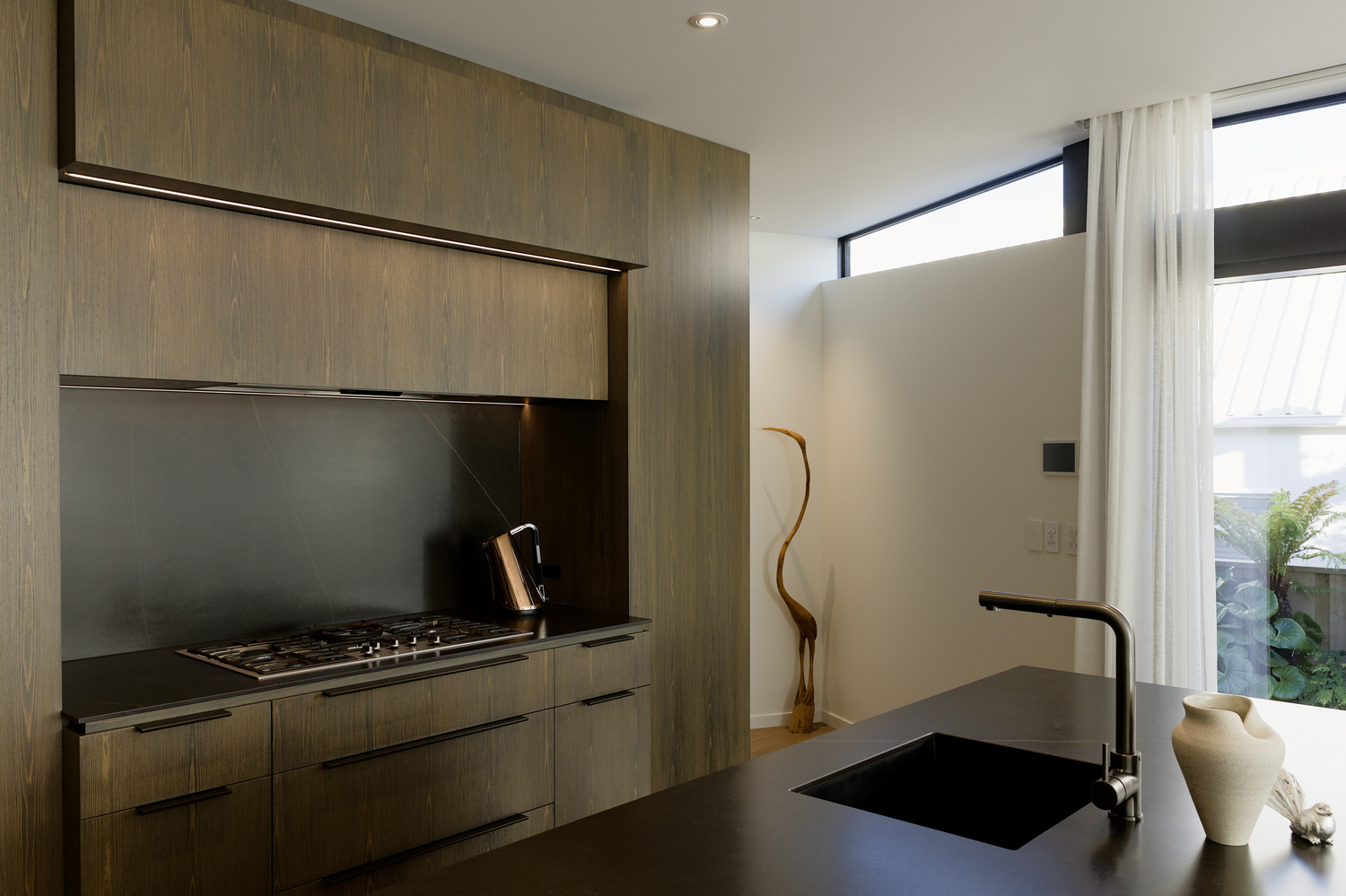
Inside, Neolith Calatorao brings the material strategy into the kitchen. Its use on the countertop and backsplash responds to the demands of a frequently used domestic space, where resistance, hygiene, and ease of cleaning are essential.
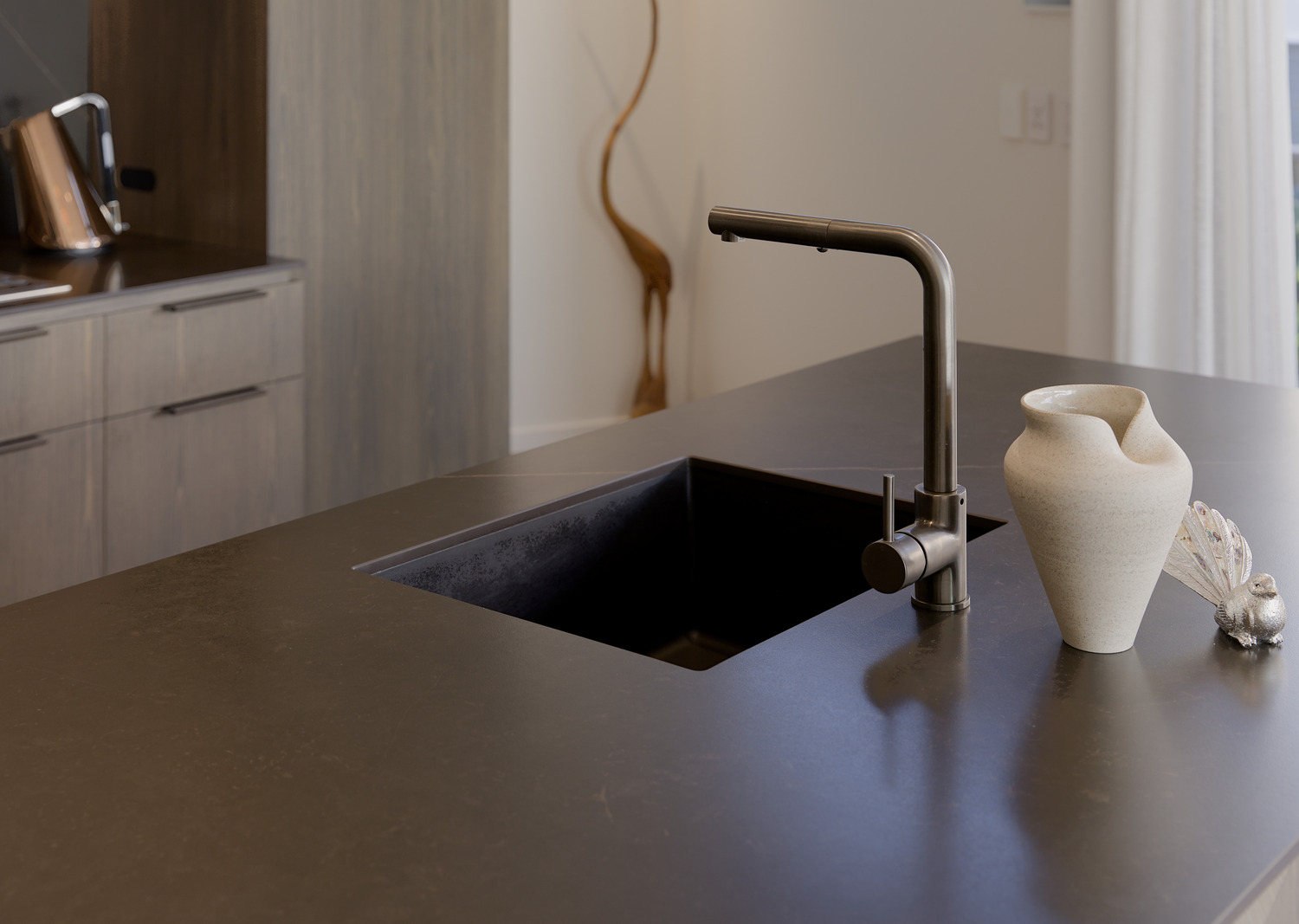
The application also gives the kitchen a strong material identity without separating it from the architectural language of the house. The surface moves from horizontal worktop to vertical backsplash, creating a unified element that supports the clarity of the space.
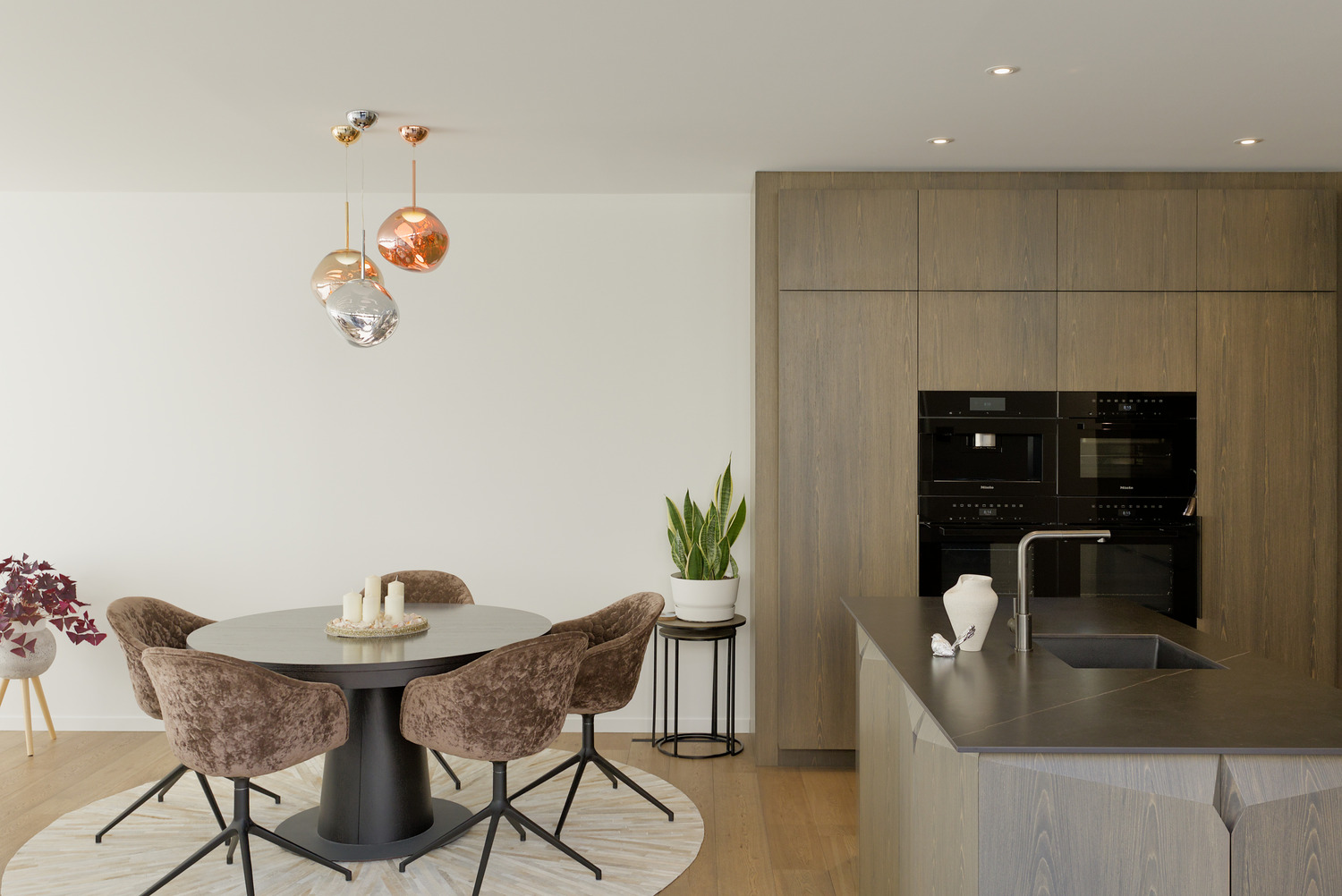
“The clean appearance of the Neolith Calatorao bench and backsplash creates an elegant contrast with the timber joinery.”
— Caleb Skene
Architectural Designer
Neolith Calatorao introduces contrast and presence within the kitchen, while remaining consistent with the project’s broader logic: materials selected for their capacity to endure, integrate, and remain relevant over time.
A material choice made with the future in mind
For MC Architecture Studio, sustainability is not treated as a separate category added to the design process. It is part of the way each decision is evaluated, together with durability, performance, context, and the expected life of the building.
“Sustainability is a fundamental consideration in our practice, but it is approached holistically rather than as a standalone criterion.”
— Max Capocaccia
Architect and Co-designer, MC Architecture Studio
In Sixth Degree, this approach led to a material selection based on both production and lifespan. Neolith’s composition and manufacturing process aligned with the studio’s interest in responsible specification, while its resistance to wear helped reduce the likelihood of replacement or intensive maintenance.
“Neolith products being produced using natural raw materials and advanced technologies that minimize waste emissions, and energy consumption was a key factor in supplier and product specification.”
— Max Capocaccia
Architect and Co-designer, MC Architecture Studio
In a coastal house, environmental responsibility is also measured through permanence. A material that can withstand exposure, remain stable, and require limited intervention contributes to a more efficient lifecycle.
Technical sheet
Project name: Sixth Degree
Location: Christchurch, New Zealand
Typology: Residential building
Area: 188 m²
Architecture: Caleb Skene in collaboration with MC Architecture Studio
Neolith material: Neolith Krater and Neolith Calatorao
Photographer: Jonny Knopp
Completion year: 2024
Neolith products
in this project