A work where material becomes a story
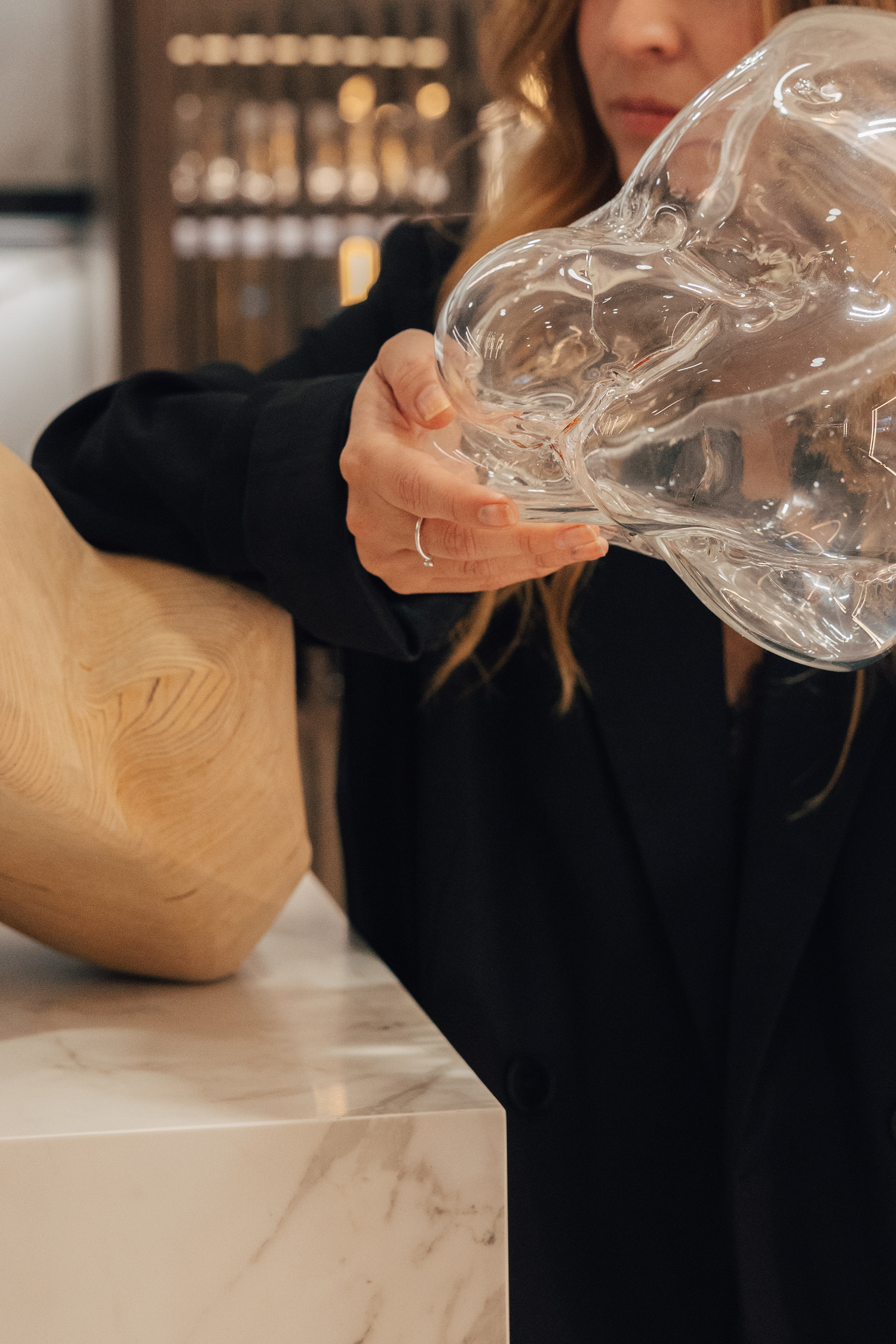
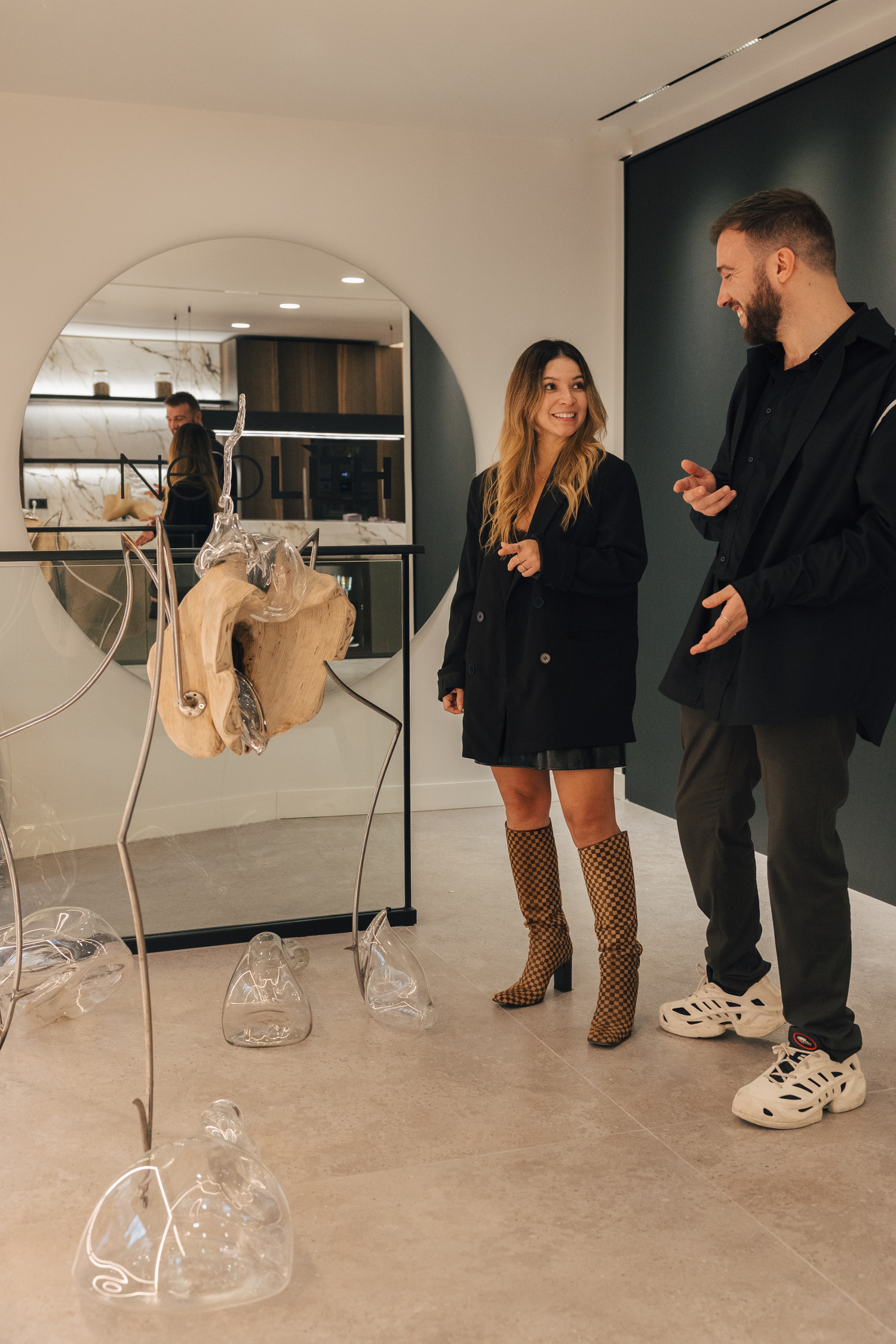
Some projects do more than occupy a space—they transform it. That’s exactly what happens with Ilium, the exhibition Día Muñoz presents at Neolith Living Gallery as part of Madrid Design Festival 2026. The show reads as a journey where body, material, and time align on a single plane, as if every surface held a personal history. Ilium opens Retorno, Neolith’s annual exhibition program curated by Óscar Manrique—conceived in dialogue with the space, the material, and the brand’s values.
 |
 |
“Ilium began as an investigation of the body understood as territory: a place where layers of biological memory, trauma, science, and myth accumulate,” Día Muñoz explains. From that premise, the artist unfolds a universe that connects the anatomical with the epic. The title points both to the corporeal and to the narrative: to the intimate archive of what has been lived, and to the cultural dimension of what is inherited. From there, the exhibition makes a clear turn—inviting us to see design and materials as more than functional surfaces, as bodies that store history, pressure, and transformation.
A hybrid process between science, myth, and drift
In Día Muñoz’s work, ideas don’t arrive through a single channel. Her practice weaves together science and memory, research and ritual, to build a distinct language that moves between the intimate and the speculative.
 |
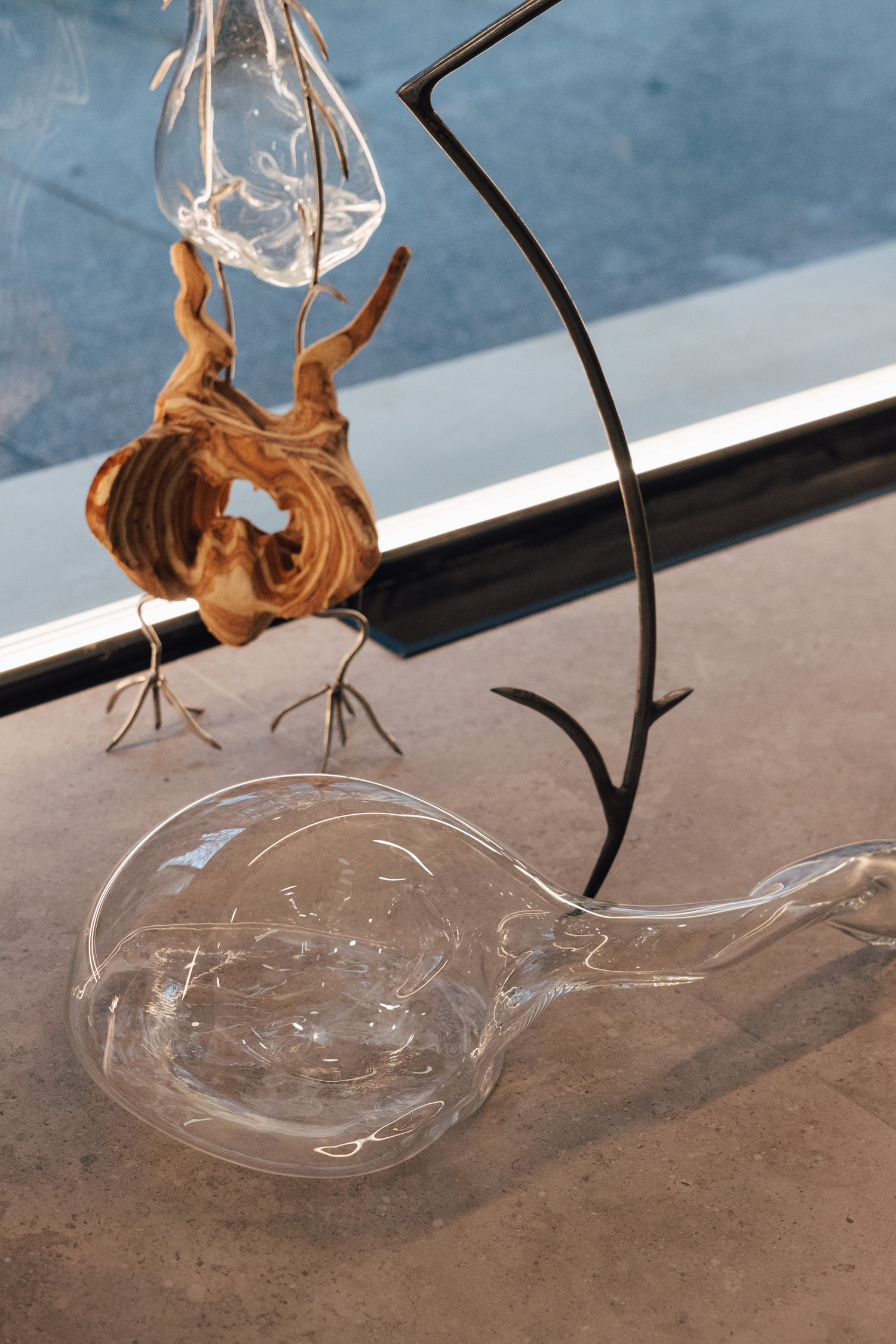 |
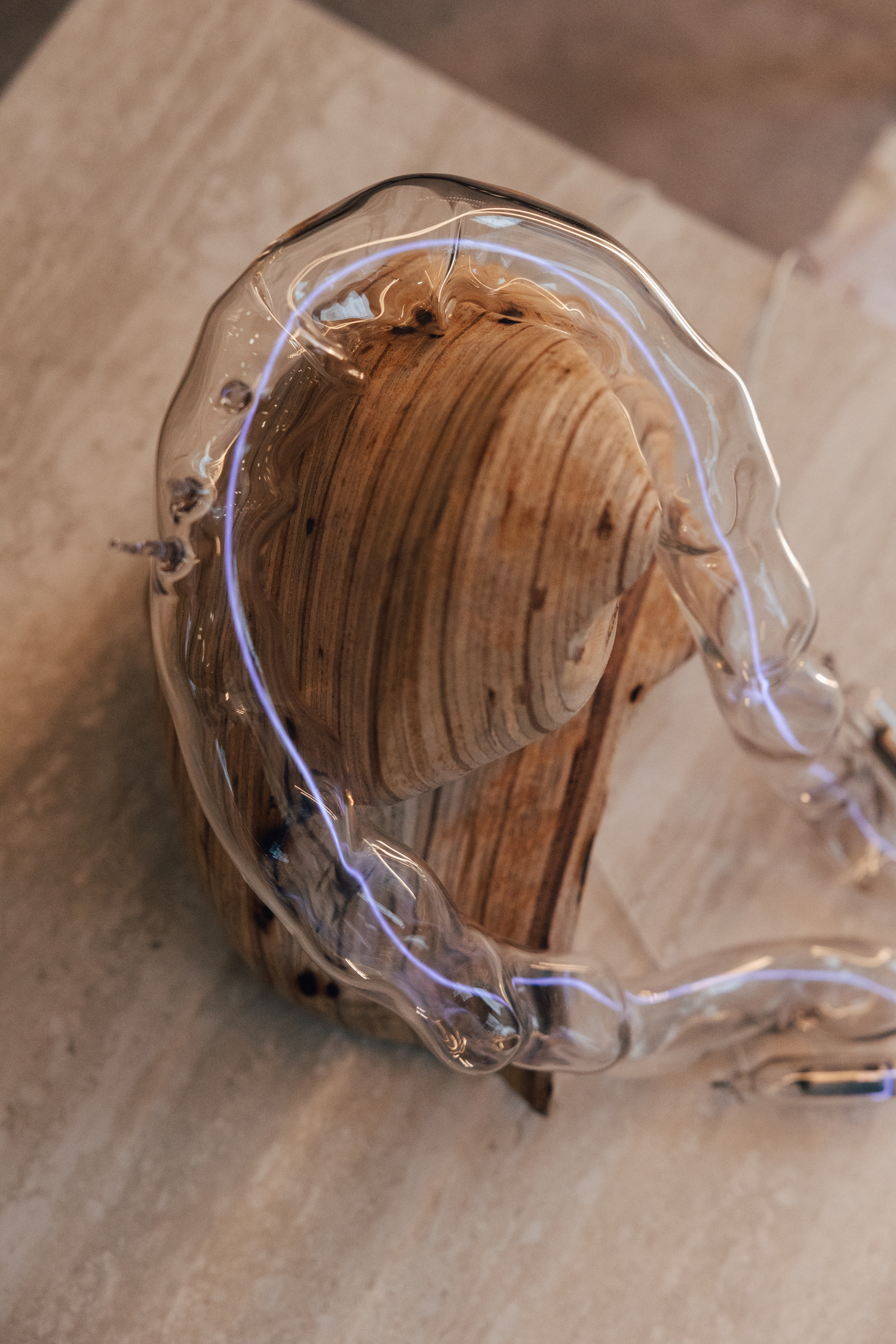
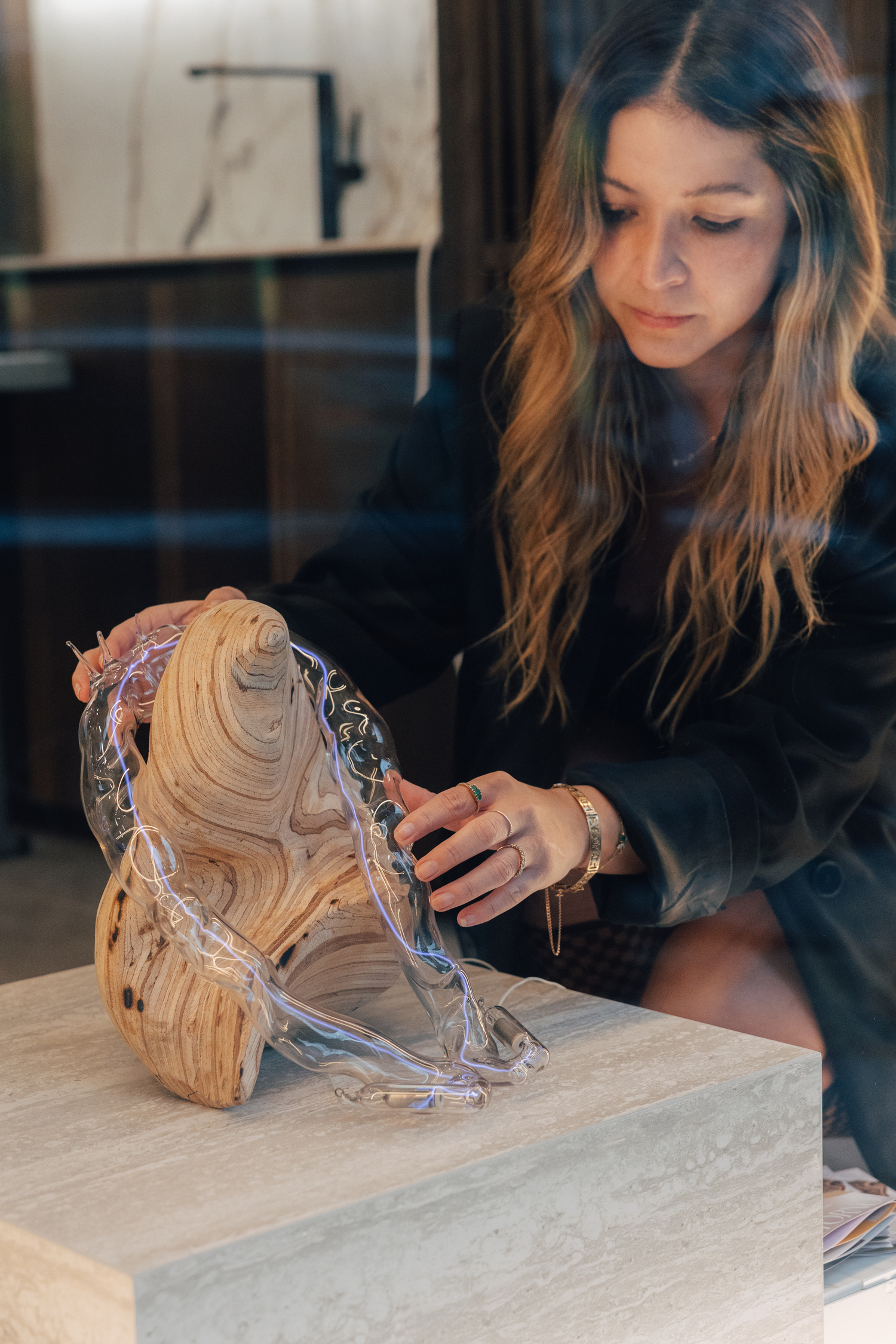
“My process is hybrid and speculative. It often starts with science—biology, medicine, materials physics—and then becomes infused with mythology, ritual, and personal memory,” she says. “I work as if materials were organisms: I observe how they react, how they deform, how they hold traces and tell stories.”
 |
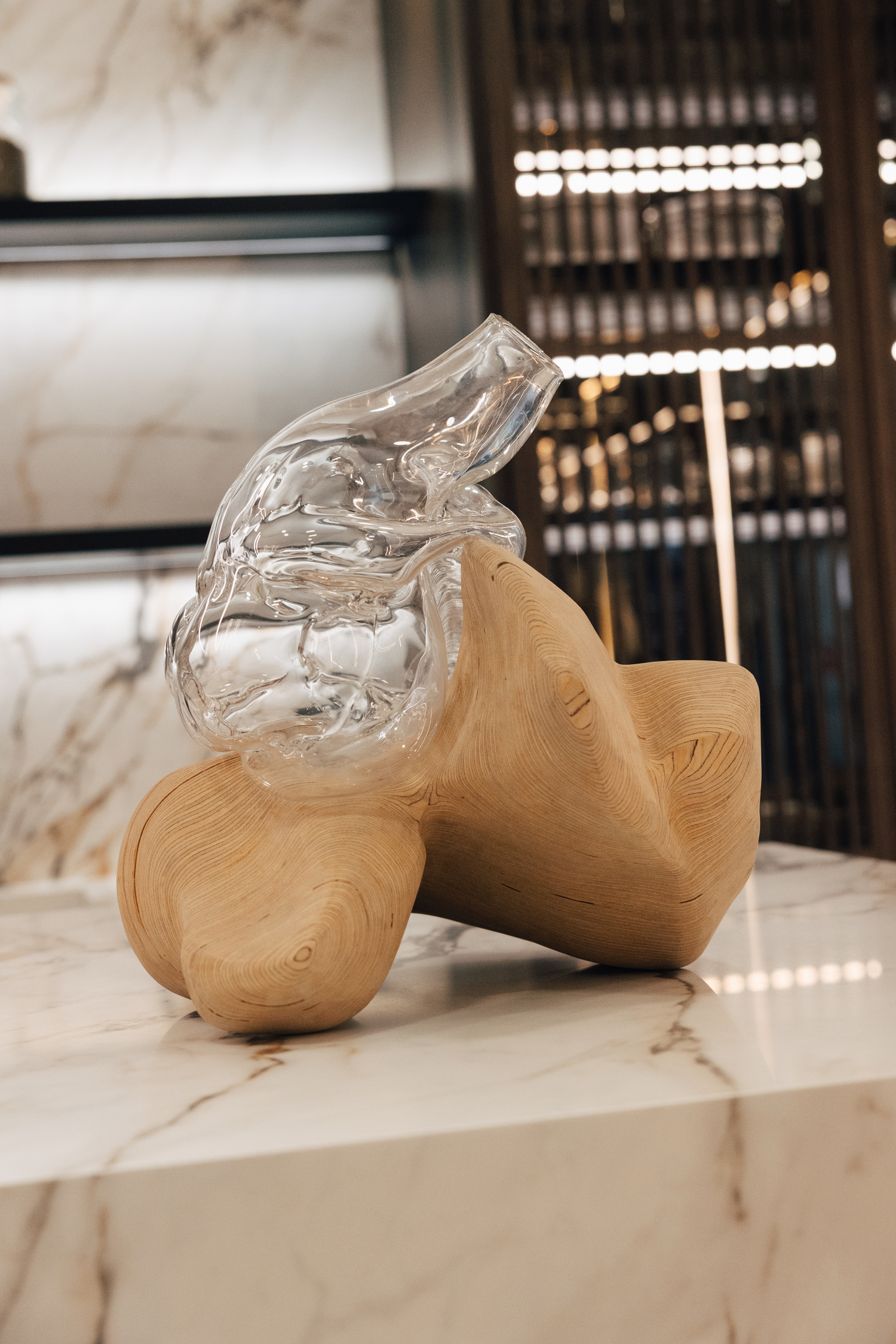 |
There’s something both laboratory-like and archaeological in this way of making: a search where the goal is not to pin down meanings, but to activate a tension. “I’m interested in creating systems rather than closed objects—letting the process come alive and allowing the work to retain some of that tension between control and drift,” she adds. In Ilium, that energy can be felt in how the pieces seem to register time passing, impact, and memory—as if they were layered strata.
A space where material defines the experience
 |
 |
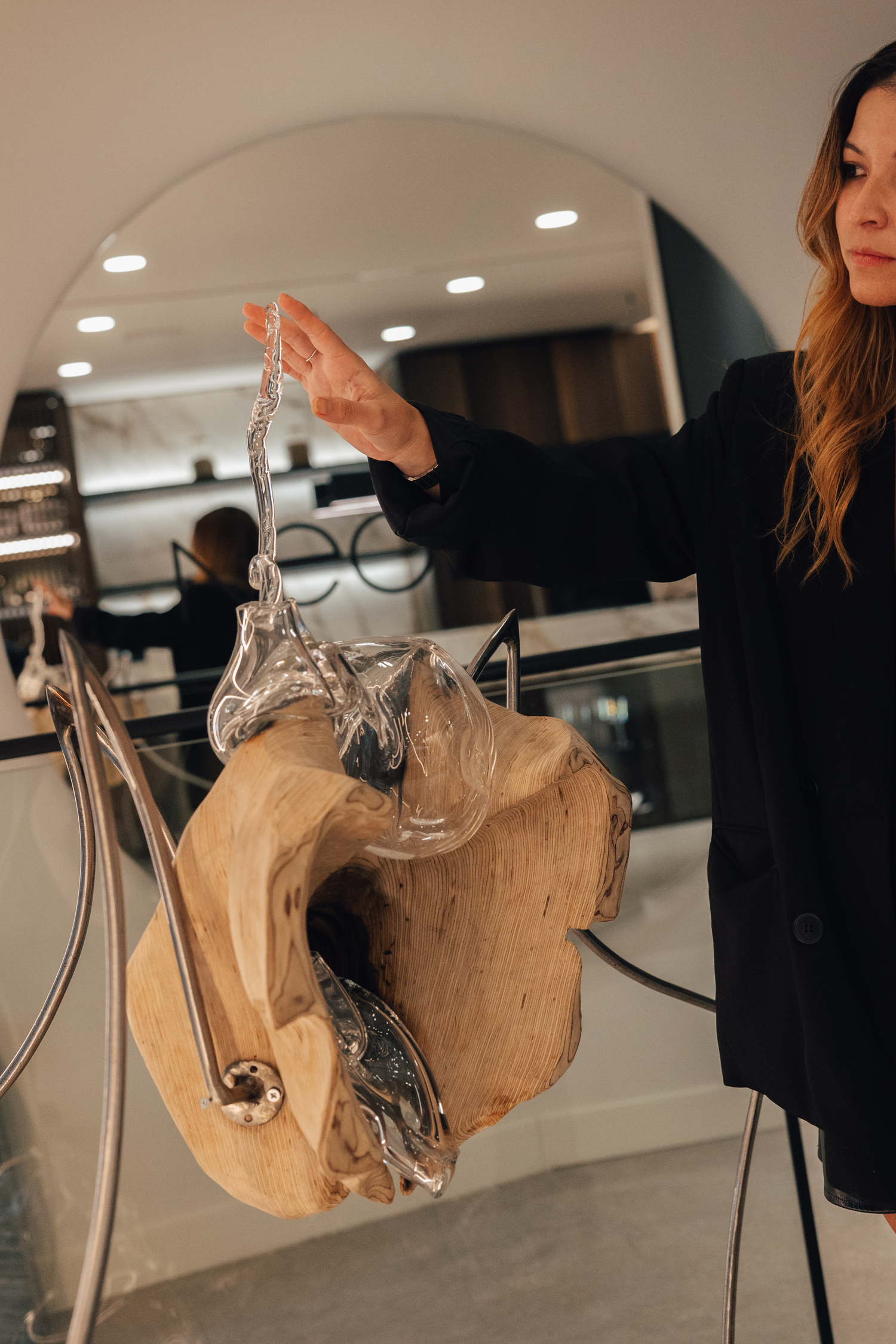
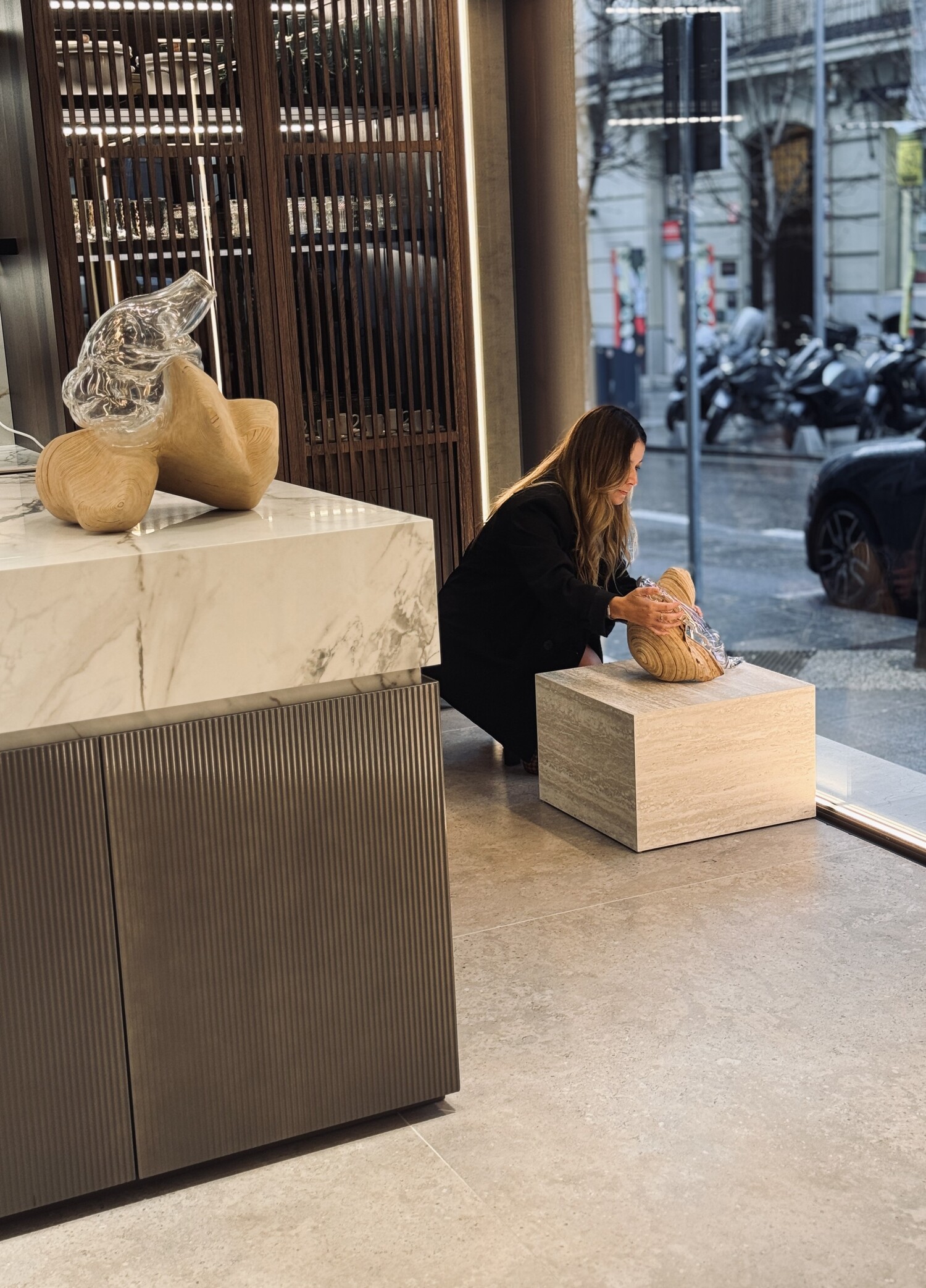
Neolith Living Gallery Madrid is a place where material doesn’t simply accompany—it leads. In that context, Ilium fits naturally because it challenges the very idea of a neutral surface. Here, material is observed, listened to, and interpreted as part of the discourse, not as a mere support. “Neolith Living Gallery Madrid is a space where material isn’t in the background—it’s the main character,” the artist notes. “My work dialogues with that context precisely because it questions the idea of the neutral surface.”
A technological material with a geological echo
For Día Muñoz, there is something especially fertile about Neolith: it doesn’t need to disguise itself as organic to engage with the living. Her interest lies at that threshold—in the paradox of an industrial material—precise, resilient, highly controlled—yet directly connected to geology and deep time.
“Neolith doesn’t try to imitate the organic; it sits in an intriguing in-between: it’s a technological, highly controlled material, yet it has a very strong relationship with geology and deep time,” she says. “Working with Neolith would mean exploring how an industrial material can become a carrier of memory—almost like a bone or a sedimentary layer.”
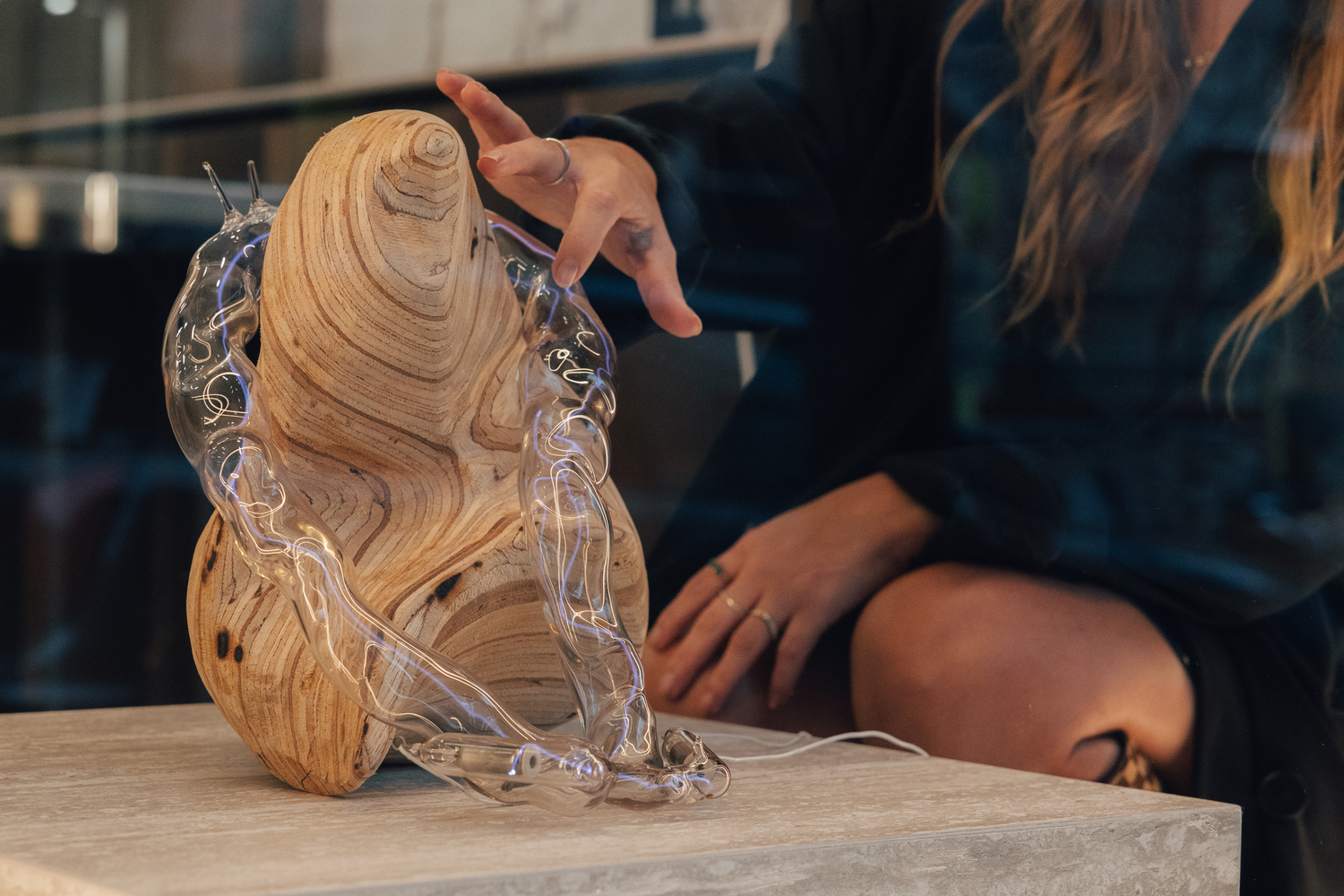
The artist takes the idea even further: thinking of skin as architecture, and architecture as organism. “Its durability, its capacity for transformation, and its mineral origin open up a very rich field for speculating on future hybrid bodies—where the artificial doesn’t oppose the natural, it extends it.” In that reading, the surface stops being a boundary and becomes a transitional space: between the intimate and the material, between the technological and the ancestral.
Sustainability as a way of thinking long-term
Within the framework of Retorno, the dialogue between art, design, and sustainability is part of the project’s DNA. And through Día Muñoz’s lens, sustainability is understood as a commitment to time: an ethic of process, energy, and permanence.
“For me, sustainability isn’t only a question of materials—it’s a question of long-term thinking,” she argues. “Art needs to stop producing disposable objects and start generating systems, questions, and works that can mutate, be reused, or be recontextualized.”
 |
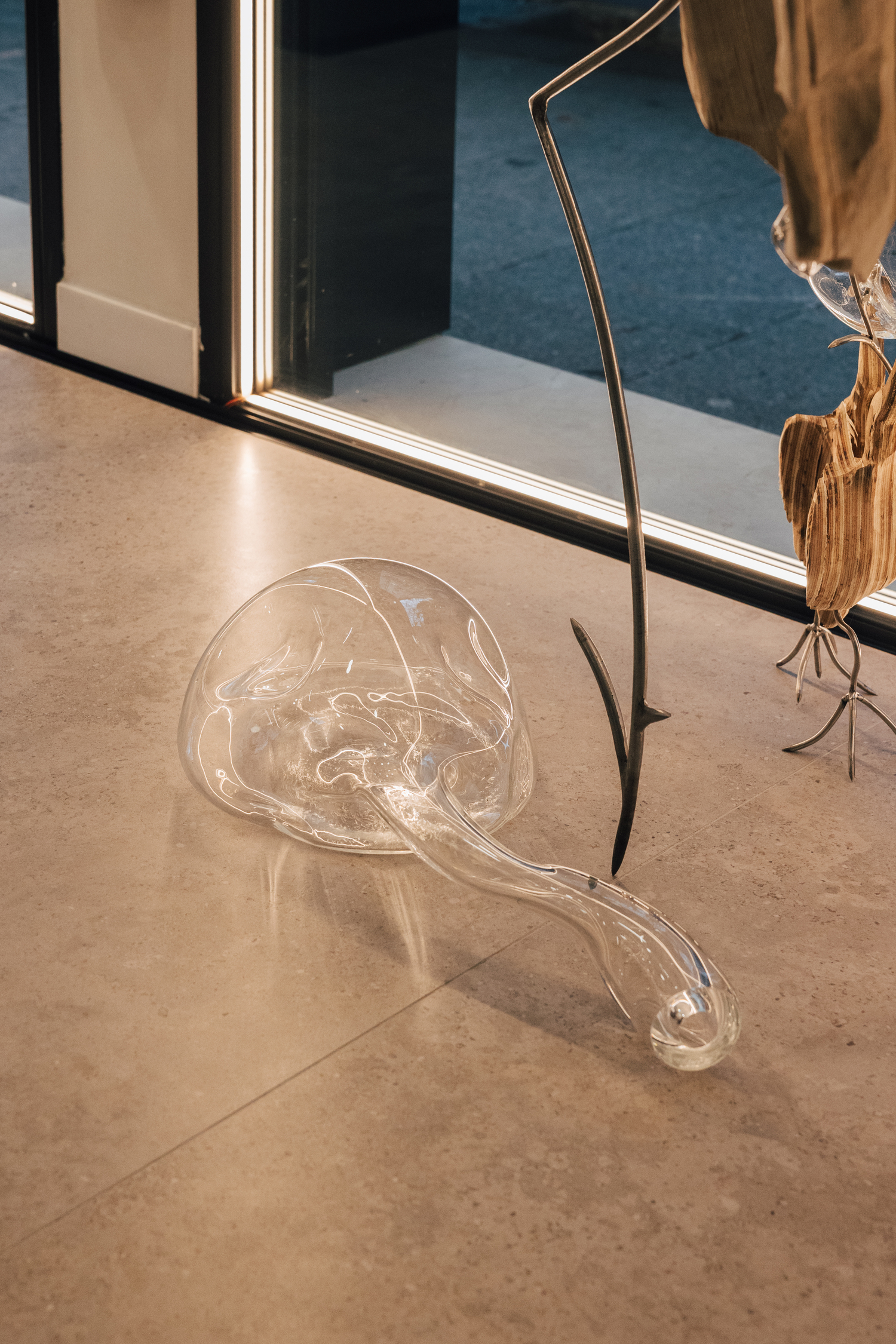 |
That vision connects with a key idea that runs through the entire exhibition: the trace. Understood not only as impact, but also as memory—what remains, even as it changes shape, and continues to work on those who experience it.
The trace “Ilium” leaves behind
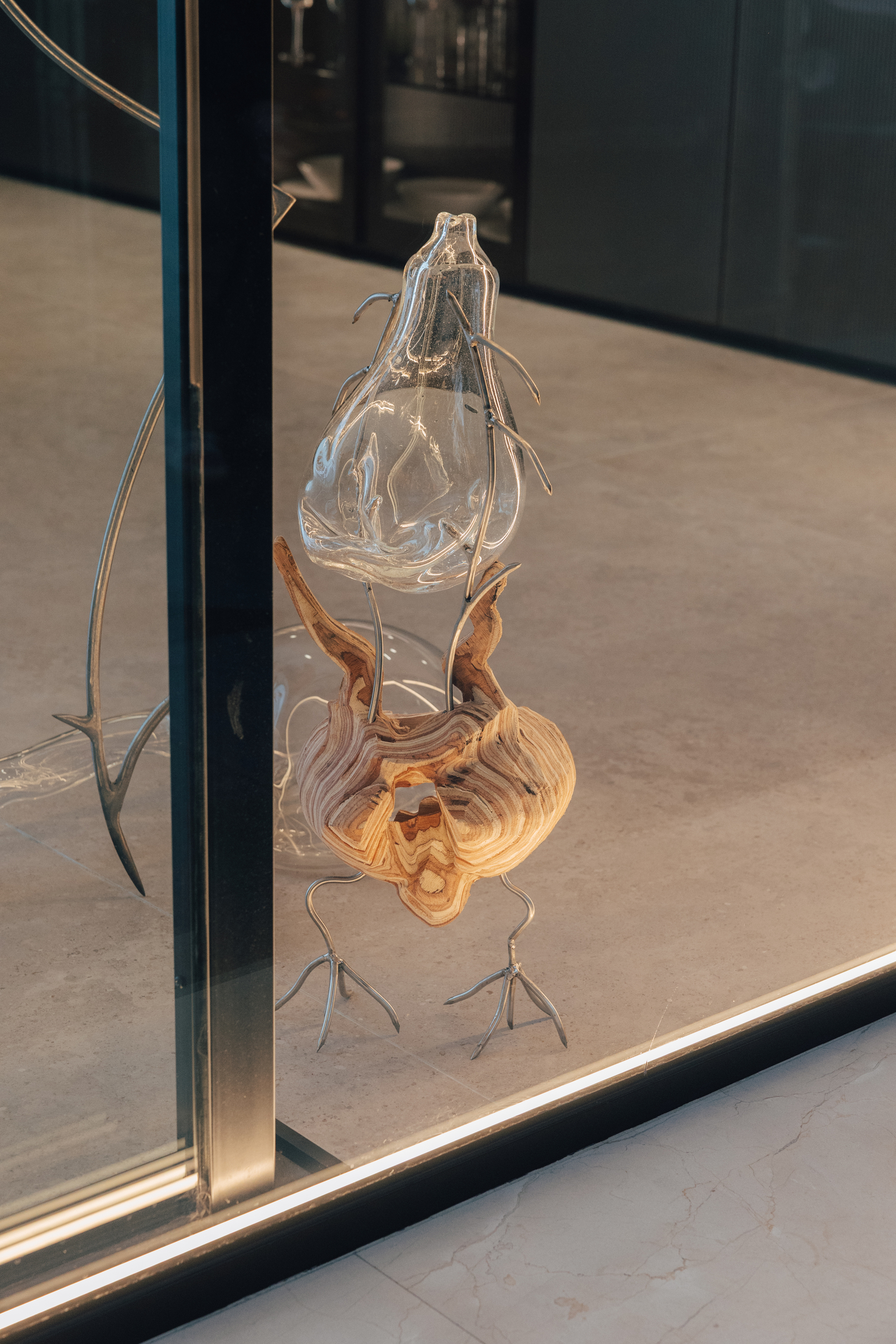
Ilium seeks to activate states of awareness. It speaks about the fragility and the violence inscribed in the body, and how science and technology can be tools of care, but also of control. In the artist’s words, it is a space where ambiguity and memory coexist: the body as a battlefield, and as a sensitive archive.
 |
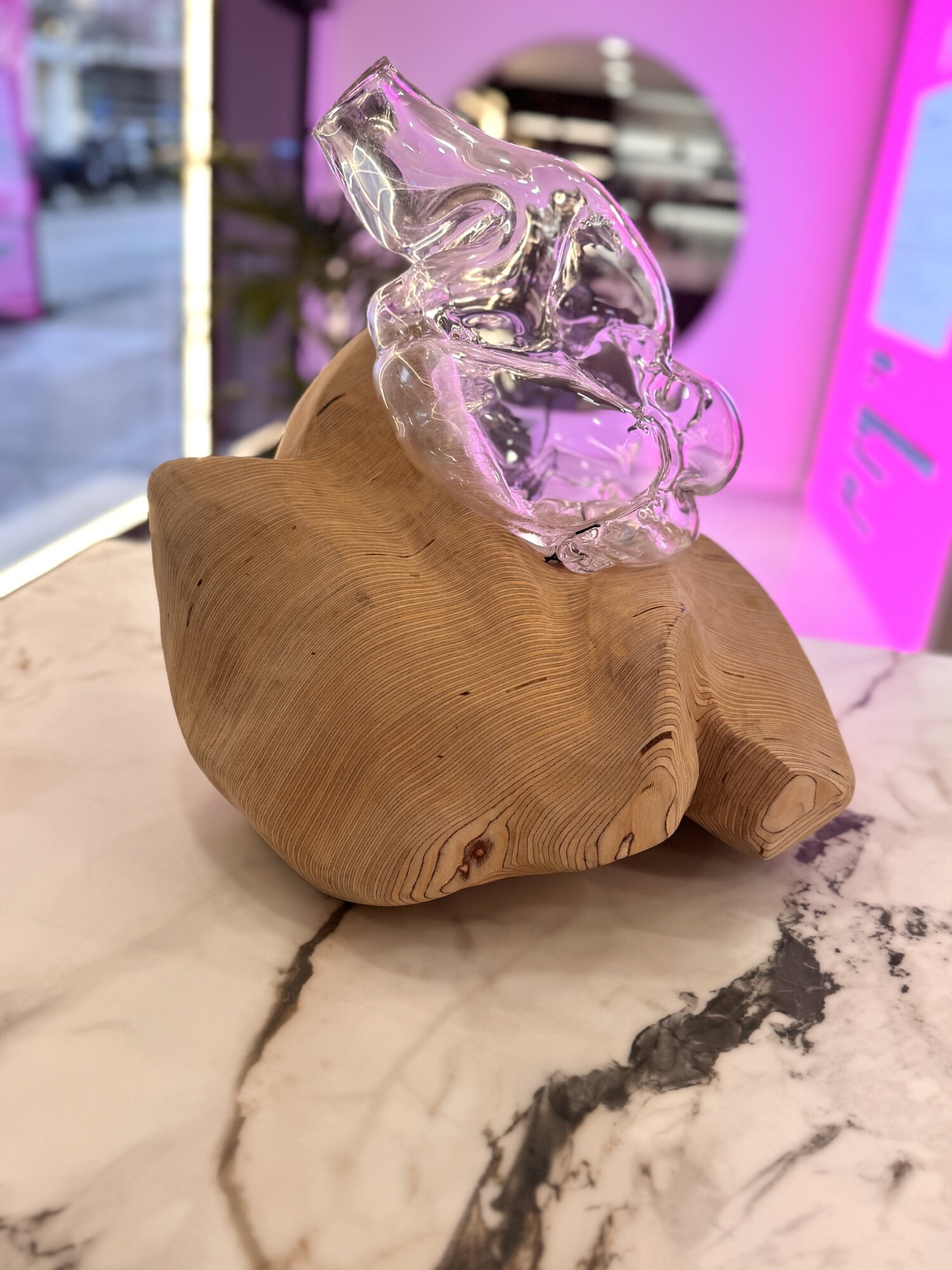 |
And her final desire is clear—almost physical: “I’d like the work to leave a bodily trace more than a visual one: a feeling of uneasy recognition, like when the body remembers something before the mind does. Something that functions like residue or a latent mark. Not an answer, but a persistence.”
The exhibition Ilium can be visited at Neolith Living Gallery (Calle de Padilla, 6, Madrid) as part of Madrid Design Festival 2026, as the first work included in Neolith’s annual series Retorno.